The Galleria dell’Accademia in Florence

The Galleria dell’Accademia in Florence: A Journey into Michelangelo’s Art

The Galleria dell’Accademia in Florence is one of the most renowned museums in the world, best known for housing the majestic David by Michelangelo. This tourist site, located in the heart of Florence, attracts millions of visitors each year eager to admire some of the greatest masterpieces of the Renaissance. If you are planning a trip to Florence, the Galleria dell’Accademia is a must-visit destination for lovers of culture and artistic beauty.

The History of the Galleria dell’Accademia

Founded in 1784 by Grand Duke Peter Leopold of Lorraine, the Galleria dell’Accademia was established to provide students of the Academy of Fine Arts with a place to study and draw inspiration from artistic masterpieces. Today, the museum is a reference point for art history and for anyone wishing to discover the legacy of Michelangelo and other great masters.

Michelangelo’s David: The Unmissable Masterpiece

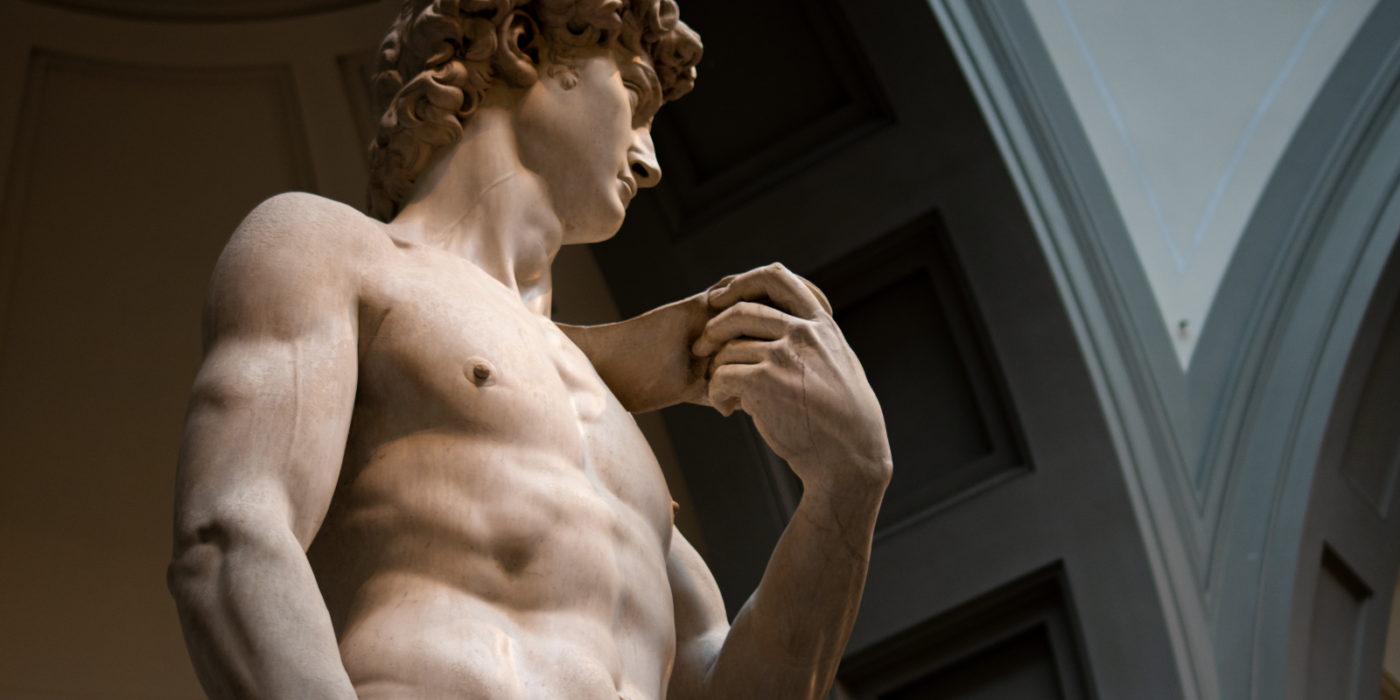
The main attraction of the Gallery is undoubtedly Michelangelo’s David, one of the most famous sculptures in the world. Standing at 5.17 meters tall, this marble statue represents the biblical hero in all his power and elegance. Created between 1501 and 1504, the work embodies the ideal of Renaissance beauty and Michelangelo’s unparalleled talent in sculpting marble.

Michelangelo’s Other Works in the Gallery

In addition to David, the museum also houses the famous Prisoners, a series of unfinished sculptures that provide a fascinating insight into Michelangelo’s creative process. These figures seem to emerge from the marble, showcasing the artist’s struggle to free form from the inertia of stone.

Other Works and Collections in the Gallery

The Galleria dell’Accademia is not just about Michelangelo! The museum also boasts a vast collection of 13th- to 16th-century paintings, featuring works by artists such as Sandro Botticelli, Domenico Ghirlandaio, and Andrea del Sarto. Additionally, the museum preserves a rich collection of historical musical instruments, including instruments that once belonged to the Medici and Lorraine families.

Useful Information for Visitors

If you wish to visit the Galleria dell’Accademia, it is advisable to book tickets in advance to avoid long queues. The museum is located at Via Ricasoli 58-60, just a short walk from the Florence Cathedral, and is easily accessible on foot from the city center.

Opening Hours

Tuesday to Sunday: 8:15 AM – 6:50 PM

Closed on Mondays, January 1st, and December 25th

Free entry on the first Sunday of the month

Why Visit the Galleria dell’Accademia?

Visiting the Galleria dell’Accademia means immersing yourself in the greatness of Renaissance art and discovering Michelangelo’s genius up close. Florence is a city rich in treasures, but few places in the world offer an experience as intense and fascinating as this gallery.

If you are an art enthusiast or simply wish to admire one of history’s most celebrated masterpieces up close, the Galleria dell’Accademia is a must-see destination. Plan your visit and let yourself be enchanted by the magnificence of David and the other extraordinary works housed in this unique museum!
San Valentino Firenze

Valentine’s Day in Florence | The most romantic places


Valentine’s day in Florence, the most romantic places!

Florence, with its timeless charm and unique atmosphere, is the perfect destination for an unforgettable Valentine’s Day. With art, history, breathtaking views, and hidden corners, the city offers countless places ideal for experiencing romantic and intimate moments.

Ponte Vecchio

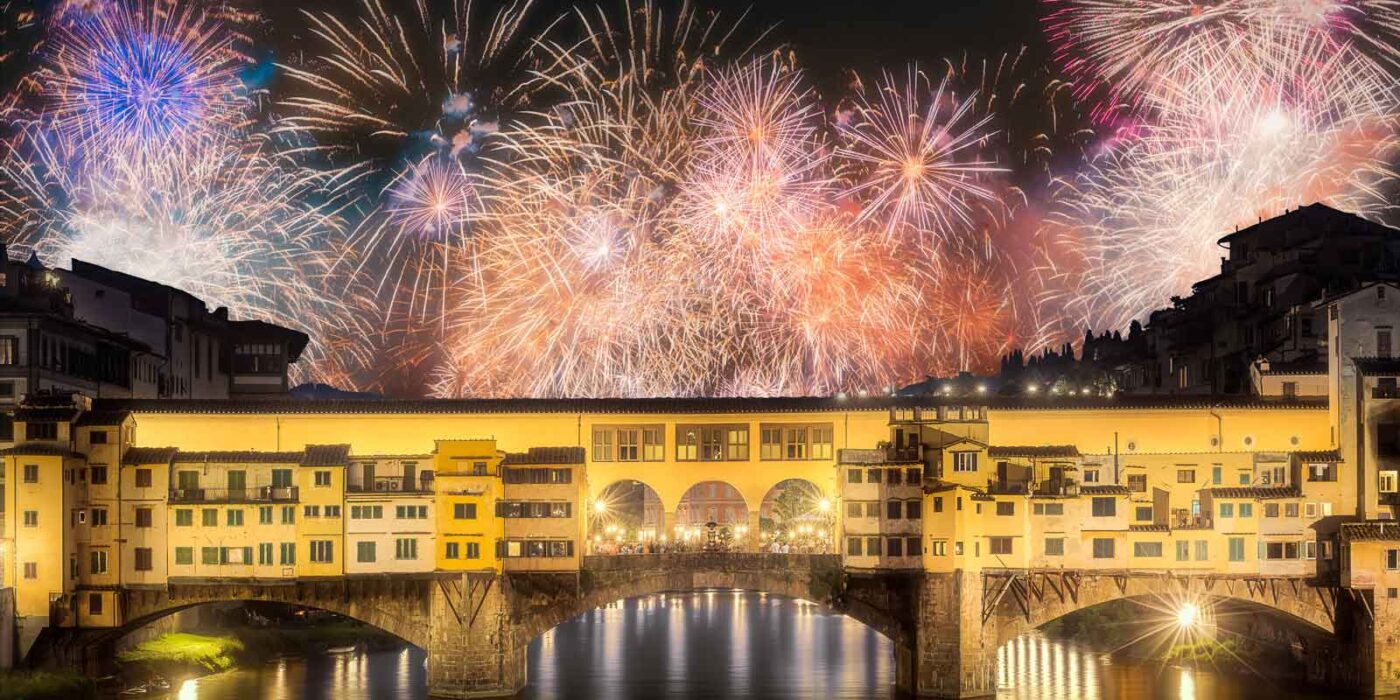
Ponte Vecchio is one of Florence’s most iconic landmarks, the city’s oldest bridge that connects the two banks of the Arno River. Walking hand in hand along this historic bridge, admiring the reflection of the lights on the water, is a unique experience, especially in the evening when the atmosphere becomes even more enchanting. The famous goldsmith shops and the spectacular view of the city make Ponte Vecchio the perfect place for a kiss under the Florentine sky.

Boboli Gardens

If you want to immerse yourself in nature, the Boboli Gardens are a green oasis perfect for a romantic stroll. Located on the southern hills of the city, this Renaissance garden is a true paradise with its tree-lined paths, statues, fountains, and panoramic terraces. The most scenic spot is the long Baroque staircase that leads to the top of the hill, offering a breathtaking view of Florence. The beauty and tranquility of the Boboli Gardens make them the ideal place for a Valentine’s Day surrounded by nature and history.

Piazza della Signoria

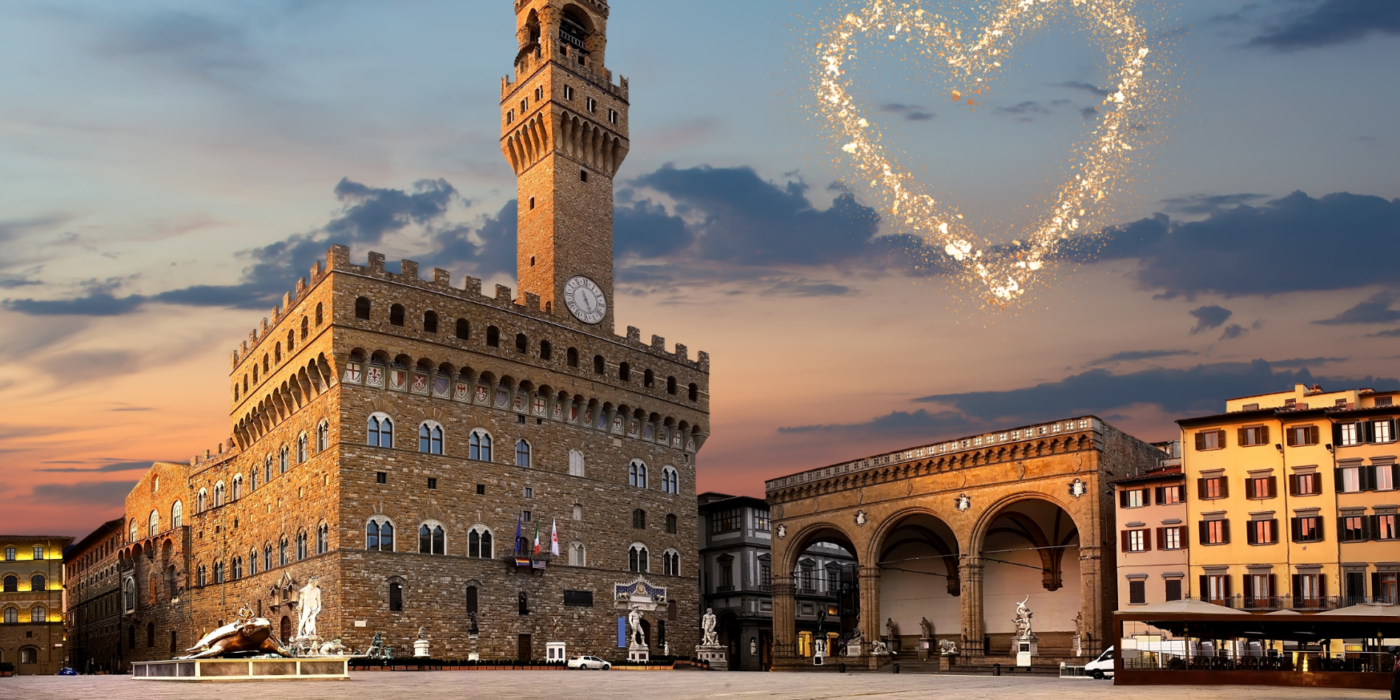
Piazza della Signoria, the beating heart of Florence, is one of the most charming and fascinating squares in the city. Surrounded by architectural masterpieces such as Palazzo Vecchio and the Uffizi Gallery, it offers an elegant and romantic atmosphere, especially in the evening when the soft lights enhance its beauty. Sitting in one of the square’s cafés, sipping a drink, and admiring the majestic sculptures is an experience that will make your Valentine’s Day even more special.

Fiesole

For a spectacular panoramic view of Florence, the town of Fiesole is the perfect choice. Located on the hills surrounding the city, it offers a breathtaking landscape with the Duomo and Giotto’s Bell Tower standing out on the horizon. Strolling through medieval streets, visiting the suggestive Roman theater, and watching the sunset over Florence from this panoramic spot will create unforgettable moments away from the city’s hustle and bustle.

Basilica of San Miniato al Monte

If you are looking for a place filled with spirituality and beauty, the Basilica of San Miniato al Monte is one of the most fascinating churches in Florence. Situated on a hill overlooking the city, it offers an unparalleled panoramic view. Its Romanesque façade and the intimate atmosphere make this basilica the perfect place for a more reflective and contemplative Valentine’s Day. Inside, the well-preserved historical structure conveys a sense of peace and inspiration.

Piazzale Michelangelo

One of the most romantic spots in Florence is undoubtedly Piazzale Michelangelo, from which you can enjoy an unparalleled view of the city. At sunset, the sky is painted in warm hues, creating a perfect setting for an intimate moment. You can reach the square through the charming Rampe del Poggi or comfortably by taxi or bus. At the center of the piazza stands a bronze replica of Michelangelo’s David, while a few steps away, you will find the Rose Garden and the Iris Garden, peaceful and beautiful places that make this experience even more romantic.

An Unforgettable Valentine’s Day in Florence

Spending Valentine’s Day in Florence means immersing yourself in a magical atmosphere, surrounded by enchanting places and breathtaking views. Every corner of the city offers unique emotions, making the celebration of love an unforgettable experience.

The Apennine Colossus

The Colossus of the Apennines: A Masterpiece Between Art and Nature

Hidden within the grounds of Villa Demidoff, in Vaglia, just a few kilometers from Florence, stands the majestic Colossus of the Apennines, an extraordinary 14-meter-tall stone statue. This monumental work is a remarkable example of how art can seamlessly blend with the surrounding nature, creating a sculpture that appears to emerge organically from the landscape.

History and Creation of the Colossus

The statue was created in the 1580s by the renowned Flemish sculptor Jean de Boulogne, better known as Giambologna. His goal was to represent the Apennine Mountains with a powerful figure symbolizing the strength of nature. Originally, the work was located at Villa di Pratolino, the estate that preceded the current Villa Demidoff, built by Bernardo Buontalenti at the request of Grand Duke of Tuscany Francesco I de’ Medici.

Pratolino Park: A Renaissance Treasure

Visiting Pratolino Park is like stepping into a fairy-tale setting, filled with tranquil corners, shaded spaces, vast meadows, and breathtaking views. Acquired by Francesco I de’ Medici in 1568 as a gift for his second wife, Bianca Cappello, the park was intended to be a magical retreat. Bernardo Buontalenti transformed it into a marvel of Renaissance landscaping, incorporating water features, labyrinths, fountains, caves, stunning gardens, and rare plants. Thanks to this ingenuity, the villa earned the nickname “Little Versailles of Florence”, making it one of the most enchanting places of the era.

The Decline and Restoration of the Colossus and Park

After the deaths of Francesco and Bianca, both the villa and the gardens fell into neglect. The villa was later demolished, and the park was transformed into a romantic-style garden, reflecting the aesthetic of the time. In 1872, Russian noble Pavel II Demidov purchased the property and restored its structures, reviving its historic charm. Today, Pratolino Park remains one of the most beautiful parks near Florence, with the Colossus of the Apennines as one of its most notable attractions. The park is open year-round, with free admission, though from November to March, reservations are required.

Symbolism and Structure of the Colossus

The Colossus of the Apennines is a half-man, half-mountain figure, designed to embody the majestic and rugged nature of the Apennine Mountains. The statue’s exterior is adorned with sponges and limestone formations, which serve as natural water outlets, pouring into the pond below, creating the illusion that the giant is rising from the waters.

Inside, the Colossus hides a secret: a series of chambers concealed within its upper body and head. These hidden rooms, accessible via an internal staircase, begin from a grotto at the statue’s base, offering a fascinating glimpse into the ingenuity behind the sculpture. These chambers may have once served as observation points or secluded retreats.

An Icon of Power and Grandeur

The Colossus is strategically positioned within Pratolino Park, offering stunning views from multiple angles. However, its most striking perspective is from below, where the towering figure seems to gaze over the landscape with an air of dominance. The sculpture represents a symbolic connection between human ambition and the immense power of nature.

From a historical and political standpoint, the Colossus of the Apennines can also be interpreted as a symbol of the Medici family’s power, a dynasty that ruled Tuscany with authority and grandeur. Its placement above Villa Demidoff is no coincidence; while the villa embodies aristocratic luxury, the Colossus enhances the grandeur of the Tuscan landscape.

The Colossus of the Apennines Today: A Must-See Attraction

Today, the Colossus of the Apennines is one of the most iconic landmarks in Tuscany, attracting tourists and scholars alike. It is not only a masterpiece of sculptural art, but also a testament to Renaissance history and culture.

This monumental work perfectly illustrates the fusion of art and nature, blending seamlessly into the landscape while conveying a message of strength, protection, and connection with the earth. The Colossus of the Apennines celebrates not only the power of nature, but also the genius of humankind, transforming a simple hill into a timeless monumental wonder.

New Year’s Eve in Florence

New Year’s Eve in Florence: A Magical Night of Events and Tradition

Every year, Florence transforms into one of the most sought-after destinations to celebrate the arrival of the new year. New Year’s Eve in Florence is not just a party but a unique opportunity to experience the city in a special atmosphere. Sparkling lights, cultural events, concerts, and performances create a magical and engaging ambiance.

This extraordinary city, which has enchanted the world for centuries with its monuments and history, offers a program of events designed for everyone. From historic squares hosting free concerts and performances to exclusive venues offering unique experiences, every corner of the city glows with energy. Tourists and locals gather in a vibrant atmosphere, ready to welcome the new year in style.

Widespread New Year’s Eve: Events and Concerts in Florence’s Squares

In recent years, Florence has opted for multiple events spread across the squares of the city center and Oltrarno instead of a single large New Year’s concert at Piazzale Michelangelo. This year, the city has once again confirmed the Widespread New Year’s Eve, featuring music, artistic performances, and cultural activities in various locations.

Gospel and Jazz Concerts in Historic Squares

In Piazza San Giovanni, visitors can enjoy an exciting gospel choir concert, perfect for immersing themselves in the festive atmosphere. Meanwhile, Piazza Santissima Annunziata will host jazz groups, creating an elegant and vibrant ambiance. These musical events add a touch of sophistication and magic to New Year’s Eve in Florence.

Live Orchestra in Santa Croce

Piazza Santa Croce will come alive with a live orchestra, turning the night into an elegant dance event. In Oltrarno, between Via Palazzuolo and Via Maso Finiguerra, marching bands will fill the streets with music until the midnight countdown. A special stop in Piazza del Carmine will make the celebration even more thrilling.

Entertainment and Performances in Piazza della Signoria

Another gathering spot will be Piazza della Signoria, where live performances and multidisciplinary entertainment will animate the evening. This iconic square offers a stunning setting to welcome the new year, surrounded by the beauty of Palazzo Vecchio and the Loggia dei Lanzi.

New Year’s Eve in Florence: Nightclubs and Exclusive Parties

For those looking for a more energetic celebration, Florence offers a vibrant nightlife with a wide selection of clubs and exclusive venues hosting New Year’s Eve parties. One of the most anticipated events is the return of Extranight at Teatro Cartiere Carrara, featuring a lavish New Year’s Eve dinner with unlimited DOC wines. After dinner, the party continues with a ‘90s-themed celebration in collaboration with the popular Voglio Tornare Negli Anni ’90 event.

Romantic Experiences and Breathtaking Views

For those seeking a quieter New Year’s Eve, a nighttime stroll through the historic center offers a magical experience. The Duomo, Ponte Vecchio, and Palazzo Pitti shine under festive lights, creating unforgettable sights. A breathtaking alternative is climbing the Poggi staircase to Piazzale Michelangelo. From here, visitors can admire the fireworks illuminating the sky over Florence, offering a spectacular view.

Getting Around Florence on New Year’s Eve

Moving around Florence on New Year’s Eve is easy and convenient. Public transportation runs late into the night, with several bus lines connecting key areas of the city. Taxis are a great option for quick and comfortable travel. Car-sharing services are also available, particularly in the limited traffic zones of the historic center, with electric and standard vehicles easily bookable via app.

An Unforgettable New Year’s Eve in the City of Art

New Year’s Eve in Florence is a time of celebration and hope, marking the end of one year and the beginning of another. With its rich history, stunning art, and vibrant culture, Florence provides the perfect setting for this grand occasion. Tradition and modernity come together in a celebration that leaves a lasting impression on all who experience it. The city remains one of the top destinations to welcome the new year in grand style.

Discover More…

Electromechanical Nativity Scene

Don Orione’s Electromechanical Nativity Scene: A Masterpiece of Art, Faith, and Technology in Florence

When the Christmas atmosphere fills the air, thoughts immediately turn to holiday markets. During the festive season, Florence offers many to explore, but the city is also home to numerous nativity scenes, ranging from traditional to innovative and even live reenactments.

Don Orione’s Electromechanical Nativity Scene: An Excellence in Nativity Art

Don Orione’s Electromechanical Nativity Scene is one of the most extraordinary examples of nativity craftsmanship in Italy. Renowned for its beauty and mechanical ingenuity, it is located on Via Capo di Mondo in Florence. This nativity scene is a must-visit for enthusiasts and anyone eager to discover a unique Christmas tradition.

The idea for this nativity scene originated with Don Luigi Orione, founder of the Congregation, who wanted to create more than just a holiday display. His goal was to craft an educational and spiritual experience that could vividly and engagingly tell the story of Christ’s birth.

A Nativity Scene That Tells the Entire Life of Jesus

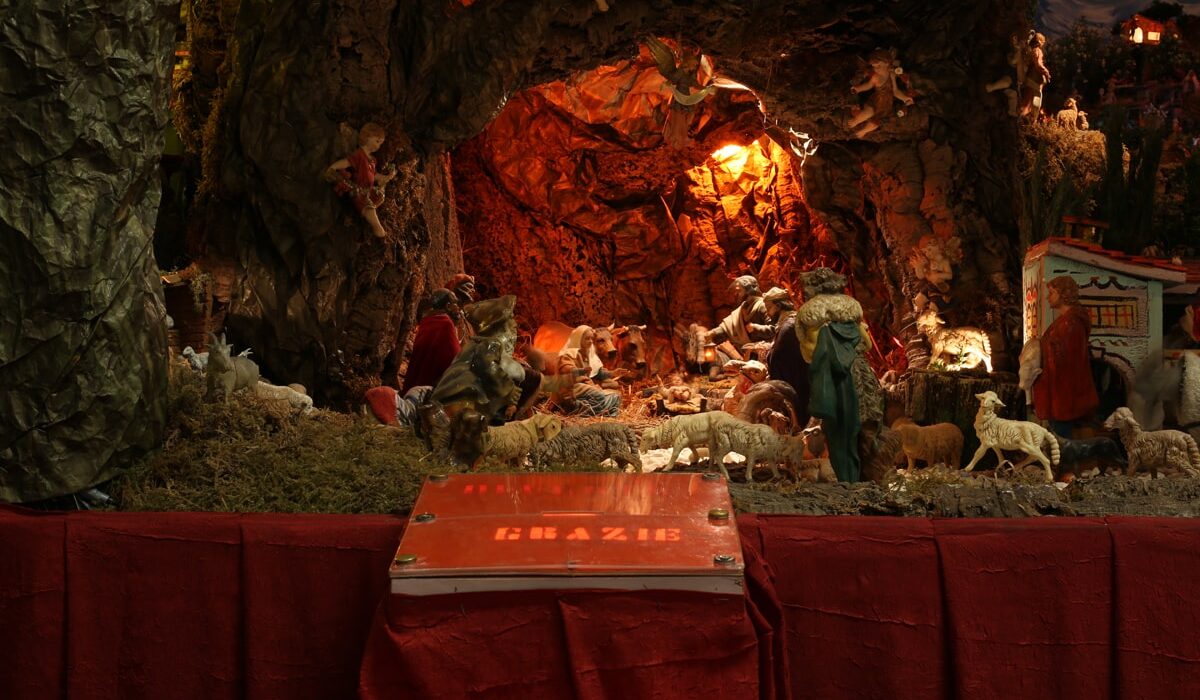
Starting December 1, visitors can explore this magnificent Electromechanical Nativity Scene, spanning 50 square meters. This unique display does not just depict the Nativity but narrates the entire life of Jesus, from birth to the Passion and Resurrection. The setting, inspired by ancient Palestine, is illuminated by dynamic lighting that changes from dawn to dusk. The experience is further enhanced by natural sounds that accompany the awakening of nature and daily human activities.

The Heart of the Nativity Scene: Machinery and Moving Figures

The uniqueness of Don Orione’s Electromechanical Nativity Scene lies in the use of gears and mechanical systems that bring the figures to life. Unlike static nativity scenes, here each character moves, creating a deeply immersive experience. Angels, shepherds, the Three Wise Men, Mary, and Joseph all animate with fluid and natural movements, making the scene exceptionally engaging.

Historical and Religious Details Crafted to Perfection

Another distinctive feature of the Electromechanical Nativity Scene is its precise historical and religious accuracy. Every element, from the buildings to the costumes, is crafted with remarkable attention to detail, reflecting Tuscany’s rich artisan tradition. The landscapes, figures, and accessories are meticulously created, transporting visitors back to ancient Palestine with extraordinary realism.

A Tradition Continued by the Orionine Congregation

In 1934, Don Orione organized his last grand live nativity scene in Novi Ligure before leaving for South America. Upon returning to Italy in 1937, he encouraged his followers to carry on this tradition, making it a permanent institution within the Orionine Congregation. Today, the tradition of live nativity scenes remains a key part of the congregation’s mission.

A Center for Social Integration and Support

The Don Orione Institute is not just the guardian of this extraordinary Christmas tradition. The facility also provides social integration and rehabilitation services for adults with mental, cognitive, and psychological disabilities. Its mission is to promote personal autonomy through structured programs that help individuals develop their skills and relationships. Advanced educational tools foster self-expression and communication, ensuring that each person can live an active and fulfilling life.

A Unique Work Combining Art, Faith, and Innovation

Don Orione’s Electromechanical Nativity Scene is an unparalleled masterpiece that merges tradition, technology, and spirituality. With its ability to tell the story of the Nativity in a dynamic and engaging way, it stands as a symbol of faith and innovation. Visiting this nativity scene allows guests to immerse themselves in the magic of Christmas, experiencing a one-of-a-kind event that captivates both young and old alike.

Visiting Hours and Accessibility

Visiting Don Orione’s Electromechanical Nativity Scene is a must for those wanting to experience Christmas in Florence. The nativity scene and market are open daily from 9:00 AM to 12:00 PM and from 3:00 PM to 6:00 PM. The site is fully accessible, with ramps and stairlifts ensuring that everyone can enjoy the experience.

This extraordinary Christmas tradition continues to enchant visitors, keeping the spirit of Christmas alive through a perfect blend of history, art, and technology.

Helen Frankenthaler. Painting without rules

Helen Frankenthaler. Painting Without Rules: The Major Exhibition in Florence Until January 26, 2025

The Fondazione Palazzo Strozzi presents Helen Frankenthaler. Painting Without Rules, an exhibition dedicated to one of the most significant figures of 20th-century American abstract painting. The show explores her artistic research through works created between 1953 and 2002, offering a comprehensive overview of her innovative painting practice.

Helen Frankenthaler (New York, 1928 – Darien, 2011) was a key figure in the second generation of postwar American abstract painters. Although not widely known to the general public, her influence on modern painting is undeniable. Palazzo Strozzi dedicates this retrospective to her, showcasing a selection of works that span nearly fifty years of artistic production.

A Journey Through Painting Without Rules

Organized in collaboration with the Helen Frankenthaler Foundation and curated by Douglas Dreishpoon, director of the Helen Frankenthaler Catalogue Raisonné, the exhibition highlights the artist’s innovative approach. The exhibition path examines the influences and friendships that shaped her career, helping define her unique style.

Frankenthaler is renowned for her soak-stain technique, which involves applying thinned paint onto untreated canvases. This method creates fluid, transparent effects similar to watercolor but on a larger scale and using oil-based colors. The artist applied paint with brushes, sponges, or directly from buckets, allowing the colors to blend naturally. This technique transformed the relationship between space, color, and form, breaking artistic conventions and inspiring generations of painters.

Dialogue Between Artists and Iconic Works

The exhibition presents Frankenthaler’s works alongside those of artists in her circle, including Robert Motherwell, Morris Louis, and Anthony Caro. Highlights include Mediterranean Thoughts (1960) and Tutti-Frutti (1966), alongside paintings, sculptures, and works on paper that showcase the creative synergies of the time.

The exhibition path follows the development of Frankenthaler’s artistic practice, with each room dedicated to a decade of her production, from the 1950s to the early 2000s. The selected works demonstrate how she balanced control and improvisation, integrating elements of abstraction, surrealism, and poetic expression to redefine the boundaries of contemporary painting.

One of the Most Important Retrospectives in Europe

This exhibition is one of the most significant ever dedicated to the artist in Europe and the most comprehensive in Italy. The works come from the Helen Frankenthaler Foundation in New York and prestigious international museums and collections, including the Metropolitan Museum of Art in New York, Tate Modern in London, Buffalo AKG Art Museum, and the National Gallery of Art in Washington.

Helen Frankenthaler. Painting Without Rules celebrates an artist who defied painting conventions, expanding the limits of artistic practice with a bold and intuitive vision. Throughout her sixty-year career, she continuously experimented, leaving an indelible mark on contemporary art. Her works continue to inspire and are housed in the collections of major museums and private collectors worldwide.

An Immersive Experience of Art and Discovery

The exhibition is enriched with educational projects and archival materials, allowing visitors to deepen their understanding of Frankenthaler’s life and artistic practice. Documents, photographs, and correspondence with friends and colleagues provide an intimate portrait of the artist and her creative journey.

Tickets and Guided Tours for the Exhibition

Purchase your ticket online and receive it immediately via email to access the exhibition directly, without passing through the ticket office. It is valid for one entry on the selected date and time, every day from 10:00 AM to 8:00 PM, with extended hours on Thursdays until 11:00 PM.

Palazzo Strozzi also offers two weekly guided tours for individual visitors, led by specialized guides. The tour is free with the purchase of an exhibition ticket, but reservations are required. Tours take place every Monday at 6:00 PM and every Sunday at 3:00 PM.

The exhibition is part of the Equinozio d’Autunno 2024 project, an initiative promoting contemporary art events in Tuscany, coordinated by the Centro per l’Arte Contemporanea Luigi Pecci.

Stay Near the Exhibition in Our Apartments

Plan your visit to Florence and discover Helen Frankenthaler. Painting Without Rules while staying in one of our nearby apartments:

Dieffe, Domo di Letizia, Leonardo.

Natale 2024 Firenze

Christmas 2024 in Florence

Christmas Markets 2024 in Florence: The Magic of the Holidays in the Heart of Tuscany

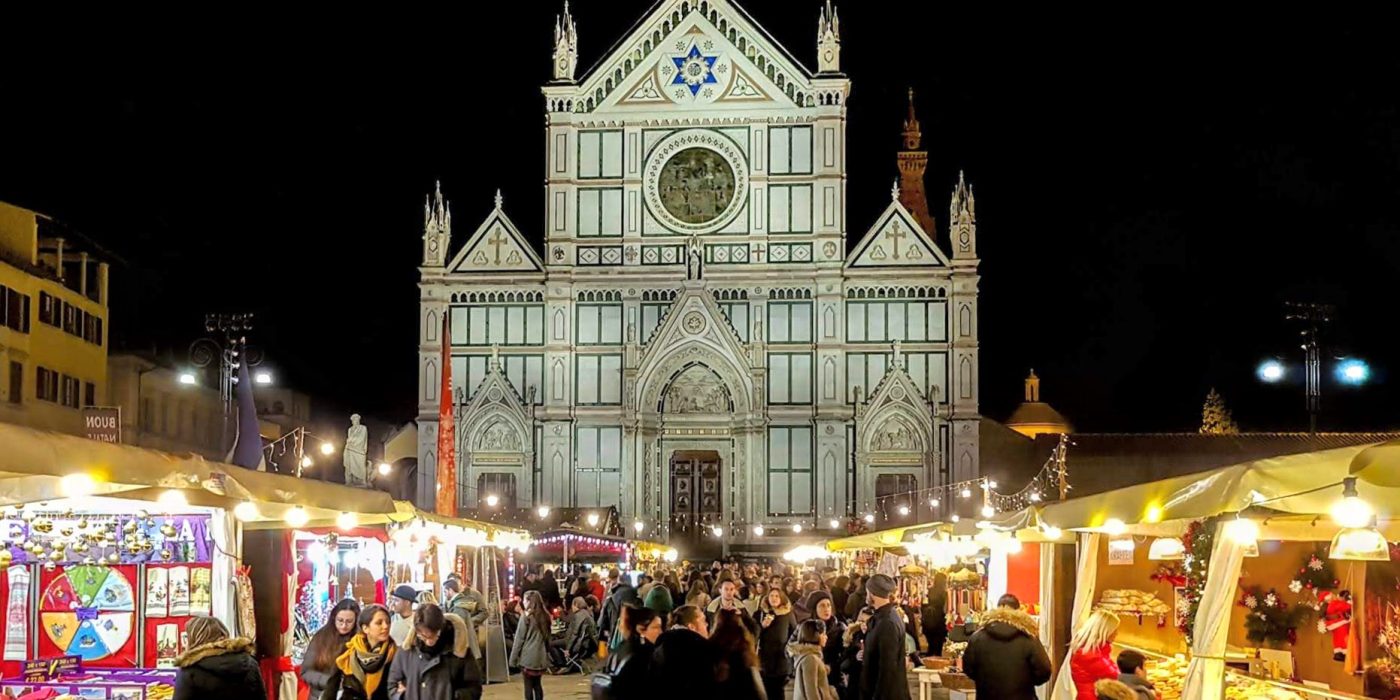
Piazza Santa Croce lights up for Florence’s most famous Christmas market of 2024! One of the most beloved and anticipated traditions in many cities around the world during the winter holidays has returned. With its unique atmosphere, it brings together people of all ages in a magical and immersive experience, and Florence is no exception.

The Traditional Weihnachtsmarkt of Piazza Santa Croce: Christmas in Florence Between Crafts and Magic

In Florence, the charming Piazza Santa Croce transforms into an enchanting festive oasis, hosting one of the most distinctive Christmas markets in the city. Inspired by the famous German Christmas markets, the Piazza Santa Croce market offers a perfect combination of crafts, gastronomy, and tradition, attracting thousands of visitors every year eager to immerse themselves in the Christmas spirit of Florence 2024.

Lights and events illuminate the city, fully embracing the holiday spirit. The square, dominated by the majestic Basilica of Santa Croce, becomes even more fascinating with its sparkling Christmas decorations and rows of wooden chalets in typical Alpine style. These stalls welcome exhibitors from all over Europe, making the market a place where different cultures come together.

Each product tells a story, from handcrafted Christmas decorations and scented candles to handmade jewelry and wool garments. Tuscan craftsmanship stands alongside items from countries like Germany, Austria, and Poland, creating a unique and diverse offering, with delicious treats such as pretzels, strudel, and mulled wine. Whether you are searching for a special gift or simply looking to soak in the holiday spirit, this market is a must-visit for anyone in Florence during this magical time of year.

A Paradise for Food Lovers: Christmas Delicacies in the City

Until December 22, more than fifty stalls will fill the traditional Weihnachtsmarkt in Piazza Santa Croce with enticing aromas and flavors. Beyond its exquisite crafts, the market is also a true paradise for food lovers. The gastronomic stands offer a selection of Tuscan and international culinary specialties. Visitors can purchase local delicacies such as aged cheeses, cured meats, traditional Christmas sweets, and Tuscan wines, as well as enjoy warm dishes prepared on the spot, including German bratwurst, roasted chestnuts, and of course, mulled wine and hot chocolate.

The market is an experience for the whole family. Children can immerse themselves in the holiday magic through performances and activities designed just for them. Santa’s House will be present, hosting games, live music, and even a mailbox where kids can leave their Christmas letters. Meanwhile, adults can enjoy the relaxing atmosphere and live entertainment that fills the square with festive energy.

The Christmas market runs daily from the early afternoon until the evening. Getting there is easy, as it is just a short walk from Florence’s main landmarks and is well-connected by public transportation. For those who want to fully experience the holiday atmosphere, it is recommended to visit in the early evening when the lights create an even more magical setting.

Strolling through the market stalls not only means discovering unique gift ideas but also immersing oneself in the authentic traditions of Christmas in one of Florence’s most iconic locations. Anyone wanting to experience Christmas 2024 in Florence should not miss this enchanting event.

The market’s location in the heart of Florence makes it even more special. Piazza Santa Croce is one of the city’s most historic squares, surrounded by elegant buildings and dominated by the Basilica, a masterpiece of Italian Gothic architecture.

Christmas Lights in the City Center: Discover the Holiday Magic in Florence

After visiting the market, take advantage of its proximity to other key attractions in the city. A walk through the illuminated streets of the historic center leads to the Duomo, Piazza della Signoria, and Ponte Vecchio, offering unique glimpses of a Florence dressed in festive splendor.

The Christmas market is a space for gathering and sharing, where friends and families come together to spend time in a warm and festive setting. Between browsing the stalls and sipping a cup of mulled wine, visitors create unforgettable memories connected to the unique atmosphere of the holiday season.

At a time when speed and technology often distance us from tradition, the Christmas market represents a return to simplicity and human warmth, an opportunity to slow down and enjoy the small things that make the holidays so special.

The Christmas markets in Piazza Santa Croce are an unmissable event for anyone wanting to experience the magic of the season in a historic and charming setting, where the warmth of the holidays blends with the timeless beauty of the city. A festive celebration that combines the grandeur of Florence’s history with the timeless enchantment of Christmas.

Buchette del vino Firenze

Tiny Wine Windows

Tiny Wine Windows: The Buchette del Vino

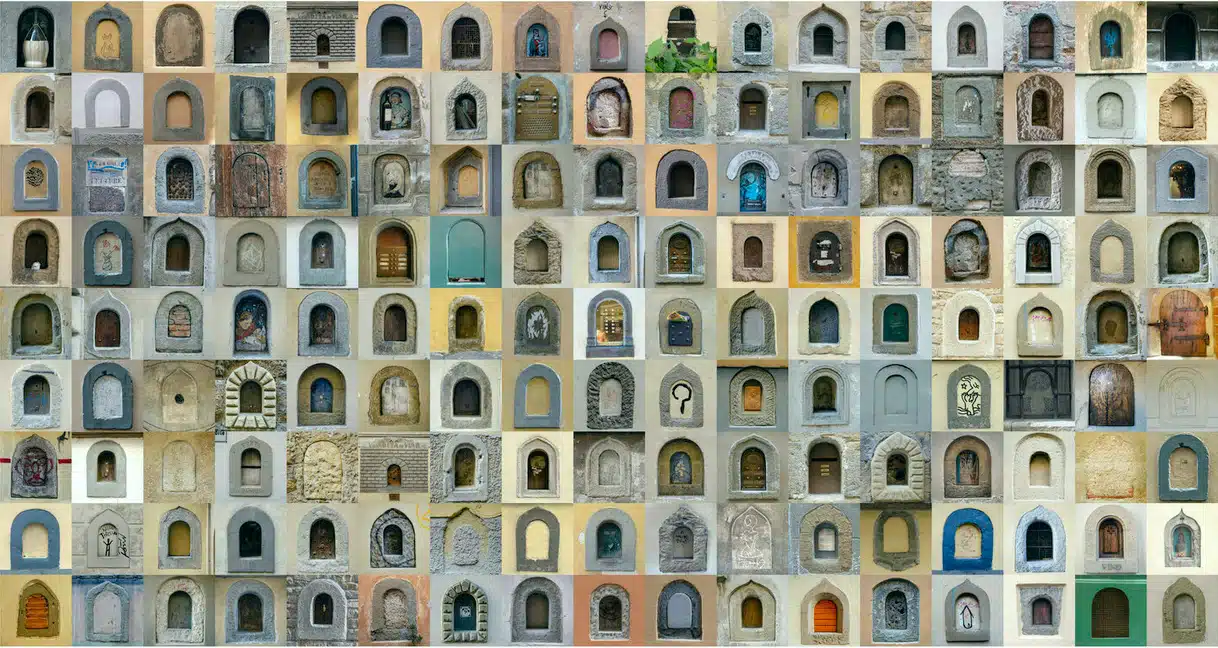
Walking through the historic center of Florence, it’s easy to come across buildings with small stone-framed doors at waist height, resembling miniature entrance doors, complete with latches. However, these are not doors but rather small openings used in the past to exchange wine with minimal contact, known as “tiny wine windows” (“buchette del vino.”)

The Origin of the Buchette del Vino

These small windows were created directly on the facades of noble palaces. Through these openings, wine producers could sell bulk wine directly to citizens, bypassing the taxes imposed on merchants and shops. Customers would bring their own bottles or flasks to be filled, allowing for a direct and tax-free exchange with the producers.

A Variety of Designs

Some of these openings are rectangular with rounded corners, while others feature an arched top. Made of stone or framed with decorative elements, they are often embedded in the serene stone walls of historic buildings. Each buchetta is unique, reflecting the architectural style of the palace it belongs to. Some still bear inscriptions or small metal knockers, revealing their original function and providing a glimpse into the past.

Over the centuries, social and economic changes gradually led to the decline of the buchette del vino. In the 19th and 20th centuries, the rise of retail commerce, wine shops, and dedicated stores rendered these small windows obsolete. Many were sealed, forgotten, or transformed into decorative elements. However, in recent years, interest in Florence’s cultural and historical heritage has sparked a revival of these unique wine windows.

Rediscovering a Lost Tradition

Since its founding in 2015, the Buchette del Vino association has been dedicated to rediscovering, cataloging, and promoting these historic openings. Thanks to this restoration effort, many wine windows have been carefully preserved and even restored to their original function, turning them into fascinating cultural and tourist attractions.

A Return to the Past

During the COVID-19 pandemic, the buchette del vino found an unexpected second life. During lockdown, the historic gelateria Vivoli revived the tradition by serving coffee, drinks, and gelato through its original wine window on Via Isola delle Stinche. The public response was overwhelmingly positive, inspiring three other businesses to follow suit. This unusual return to their historic use captured media attention and renewed interest in these once-forgotten structures.

How the Past Lives on Through the Buchette del Vino

Today, some buchette del vino are used to serve wine, coffee, gelato, and even cocktails, blending modern-day trends with their historical charm. These wine windows have become one of the most intriguing curiosities for tourists exploring Florence. Walking through the city’s historic center, visitors can spot these small openings in buildings along streets such as Borgo Pinti, Via delle Belle Donne, and Via del Giglio.

Many guided tours now include stops at the buchette del vino, offering visitors the chance to learn about their history and cultural significance. Some still feature plaques explaining their original function, while others have been converted into fully operational refreshment points, bringing this unique tradition back to life.

There are approximately 170 buchette del vino within the municipality of Florence—some well-preserved, others nearly invisible. Although often unnoticed, they remain an enduring testament to the city’s winemaking tradition and its deep connection to the countryside. Recently, some of these windows have been restored, allowing local businesses to revive the experience of enjoying a glass of wine or gelato through these centuries-old openings. The Florence municipality’s Open Data section even provides a published dataset listing the city’s remaining wine windows.

Today, the buchette del vino are more than just small openings in the walls—they are symbols of identity and resilience, proving that history can still thrive in the modern world. Whether you’re a history enthusiast, a curious traveler, or a wine lover, exploring the buchette del vino in Florence is an experience well worth discovering.

Cover image – author: Ph-Robbin-Gheesling Sito web Intoscana

Mercato Storico Firenze

An historic market in Florence

AN Historic Market Florence

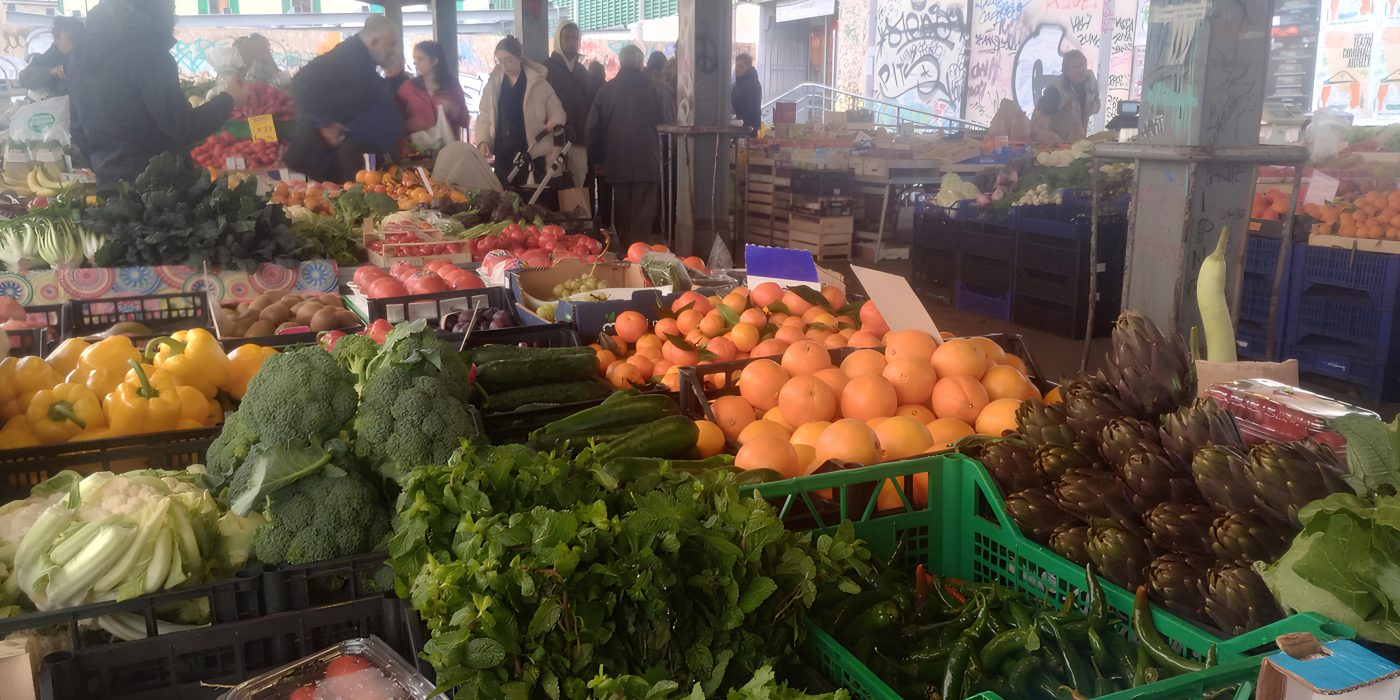
Away from the most touristy spots, in the area stretching from Via Pietrapiana to Piazza Beccaria, lies a lively and vibrant neighborhood full of characteristic shops, bars, and restaurants: the Sant’Ambrogio district. The most iconic and famous spot in the area is undoubtedly its Historic Market, a true landmark in Florence for food lovers, where fresh, high-quality products such as meat, fruit, vegetables, and fish can be found.

The History of the Market

The Historic Market of Sant’Ambrogio in Florence is one of the city’s most authentic places. Located just a few steps from the basilica of the same name, it has always been a reference point for those looking for a genuine experience filled with flavors, tradition, and conviviality. Loved by Florentines and discovered by the most curious tourists, it is a place where history and modernity intertwine in a unique atmosphere.

The Architecture of the Market

Built in the second half of the 19th century, the Sant’Ambrogio Market was designed in 1873 by Giuseppe Mengoni, the same architect behind another famous historic market in Florence, the Mercato di San Lorenzo. Its iron and glass structure reflects the modernity of the era, and even today, strolling through its arcades feels like stepping back in time. Here, the relationship between vendors and customers maintains a family-like dimension, making the market special and different from more tourist-oriented locations.

The Market’s Role Today

Although it lost its role as Florence’s general market in 1955, due to the construction of the new fruit and vegetable market in Novoli, the Sant’Ambrogio Historic Market continues to serve as a fundamental point of sale for local residents. Today, it remains the beating heart of the district, bustling with tourists yet still frequented by architecture students, workers, neighborhood residents, and loyal shoppers who wouldn’t miss their chance to buy fresh goods here.

The Products of the Historic Market in Florence

Among its stalls, visitors can find fresh, high-quality products: seasonal fruits and vegetables, meat, fish, Tuscan cold cuts and cheeses. Pecorino in different aging stages, finocchiona, and prosciutto crudo are just some of the must-try delicacies. Those looking for the best of Florentine cuisine can find the perfect cuts for preparing a traditional steak or select organic, locally sourced ingredients.

A Must-Visit Spot in Florence

The Historic Market of Sant’Ambrogio is a must-visit in Florence, offering a genuine glimpse into the city’s everyday life. Here, visitors can soak up the atmosphere of a traditional city market and sample local products.

Opening Hours and How to Visit

The Sant’Ambrogio Market is open from Monday to Saturday, from early morning until noon. It is easily accessible with a short walk from the city center or by public transport. If you want to experience Florence like a local, this is the perfect place to feel part of the city—and maybe even make some new friends.

Tips for Visiting the Market

Visit early when the products are at their freshest, the morning energy is still vibrant, and the atmosphere is at its peak. Stop at the market stalls and observe the many regular customers shopping in a relaxed, friendly environment. Let yourself be immersed in a lively scene of colors and sounds, with Florentines chatting as they look for fresh bread or stylish clothing—because yes, you can find a bit of fashion here too! After grabbing a coffee, explore the square: just a few steps from the market, you’ll find the eclectic Flea Market in Largo Annigoni, where you can browse antiques, prints, jewelry, used books, home items, and much more.

Where to Eat in Sant’Ambrogio

If all the enticing aromas suddenly make you hungry, don’t worry! Sant’Ambrogio is the perfect place to satisfy your appetite. Around the stalls of the Historic Market, there’s a variety of shops and restaurants catering to all tastes and budgets.

An Authentic Experience

The Sant’Ambrogio Market takes place every morning except on holidays. A stroll through its stalls is a journey into Florentine tradition, filled with authentic flavors and warm encounters. It’s an experience that offers a different perspective on Florence, leaving a lasting impression. More than just a shopping destination, it’s a special corner of the city where history, culture, food, and traditions blend into an unforgettable experience.

Our Apartments in the Area

Visit the Historic Market of Sant’Ambrogio while staying in one of our nearby apartments: Borgo in Color, Virgilio, Dante, Beatrice, L’Antica Concia in Santa Croce, L’Attico di Sant’Ambrogio, La Cicogna, and many more…

Liver Crostini

Liver Crostini: The Authentic Taste of Tuscany

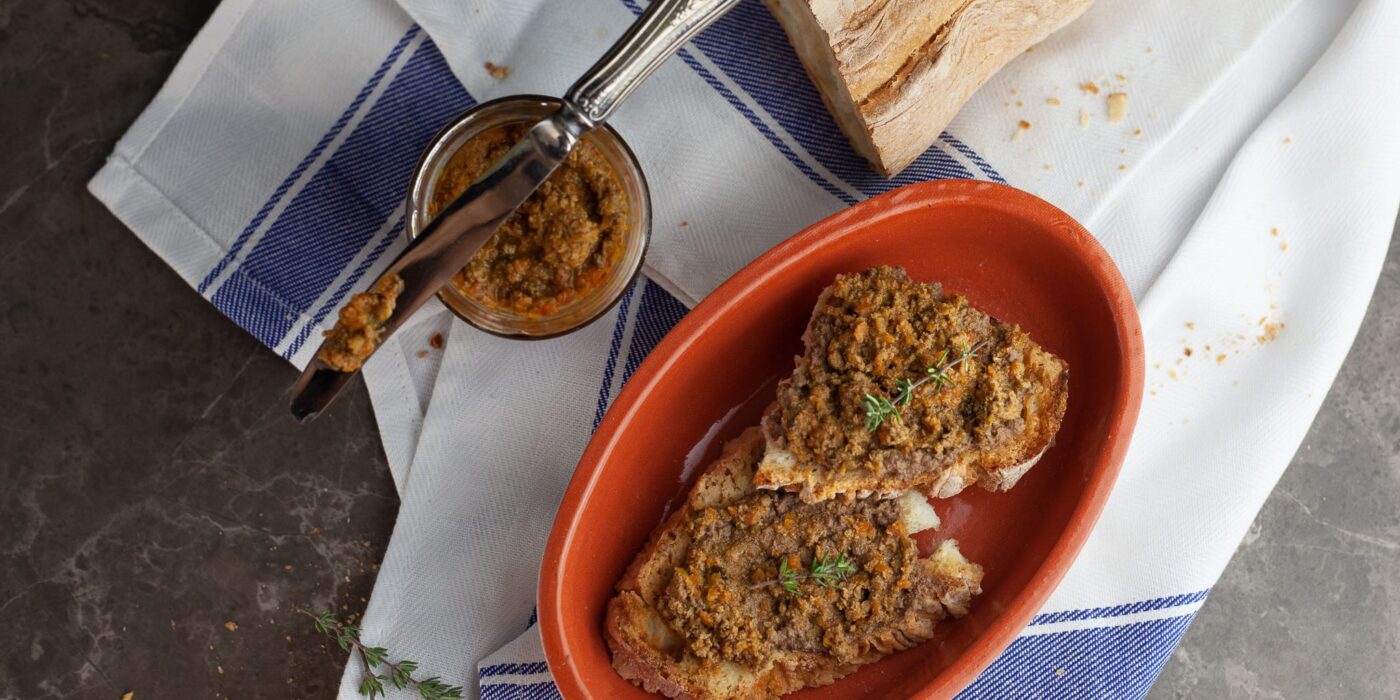
Liver crostini are a popular recipe typical of all of Tuscany, almost exclusively served as an appetizer. This preparation, somewhere between a ragù and a pâté, is made with chicken livers and may vary slightly depending on the province. The term “black” refers to the dark color of the preparation, in contrast to other crostini typically found in a Tuscan appetizer, such as those with mushrooms, green sauce, or raw sausage.

Origins and Culinary Tradition

This dish, simple yet rich in flavor, has its roots in Tuscany’s humble cuisine, based on readily available ingredients and homemade preparation methods. Although the recipe originated in Arezzo, it has gained significant importance in Florence as well. Cooking liver was a common way to make the most of the less prized parts of animals, transforming them into flavorful and nutritious dishes. Chicken liver was often cooked with onion, wine, and local herbs, resulting in an intense and delicious dish.

Key Ingredients for a Perfect Result

To prepare authentic Florentine liver crostini, it is essential to select high-quality ingredients. The chicken liver must be fresh to ensure the best flavor, although some variations use veal or duck liver. Unsalted Tuscan bread is the ideal choice for this recipe, thanks to its firm texture, which allows the liver cream to stand out.

Onions, usually red or golden, are stewed to enhance the liver’s taste, while butter and extra virgin olive oil add smoothness and depth to the dish. Tuscan red wine, such as Chianti, contributes an intense aromatic note, while aromatic herbs like thyme, rosemary, and bay leaf complete the flavor profile.

Step-by-Step Preparation

The secret to perfect popular recipe typical of all of Tuscany, Liver crostini, is cooking the liver so that it remains tender and well-integrated with the other ingredients. The first step is preparing the Tuscan bread, slicing it thickly and toasting it until it is crispy but not too dry. It is often rubbed with a clove of garlic to add an extra layer of flavor.

In a pan, butter and olive oil are heated before adding the liver, which is browned on the outside while keeping it tender inside. The onion is sautéed separately until translucent and fragrant. Once both ingredients are ready, they are combined in the same pan and deglazed with red wine. The alcohol quickly evaporates, leaving only the wine’s deep flavor, which enhances the taste of the liver.

If the preparation appears too dry, a bit of broth can be added to achieve a creamy consistency. Once everything is well blended, the mixture is processed in a blender until smooth and homogeneous. Finally, the liver mixture is spread over warm crostini and, if desired, paired with a glass of good red wine.

Variations and Curiosities

There are several variations of the recipe, depending on local preferences. Some versions include capers, anchovies, or black pepper to intensify the flavor. Florentine liver crostini embody the essence of Tuscan cuisine: a combination of simplicity and rich flavors that tell the story and traditions of the region.

A dish typically served on festive occasions, liver crostini are often prepared when welcoming guests, as they are always irresistible. Although they originate from humble cuisine, today they are considered a symbol of Florentine gastronomy, appreciated by both locals and tourists eager to savor the true essence of Tuscany.