Living like a Florentine: the most authentic neighbourhoods

Living like a Florentine: the most authentic neighbourhoods

Florence is more than museums and monuments. It is a living city, made of narrow streets that smell of coffee and ancient stone, of morning markets, artisan workshops, and squares where children play while grandparents chat on benches. To truly understand this city, you need to step off the tourist trail and immerse yourself in the neighbourhoods where Florentines live every day.

Oltrarno: the artisan soul of Florence

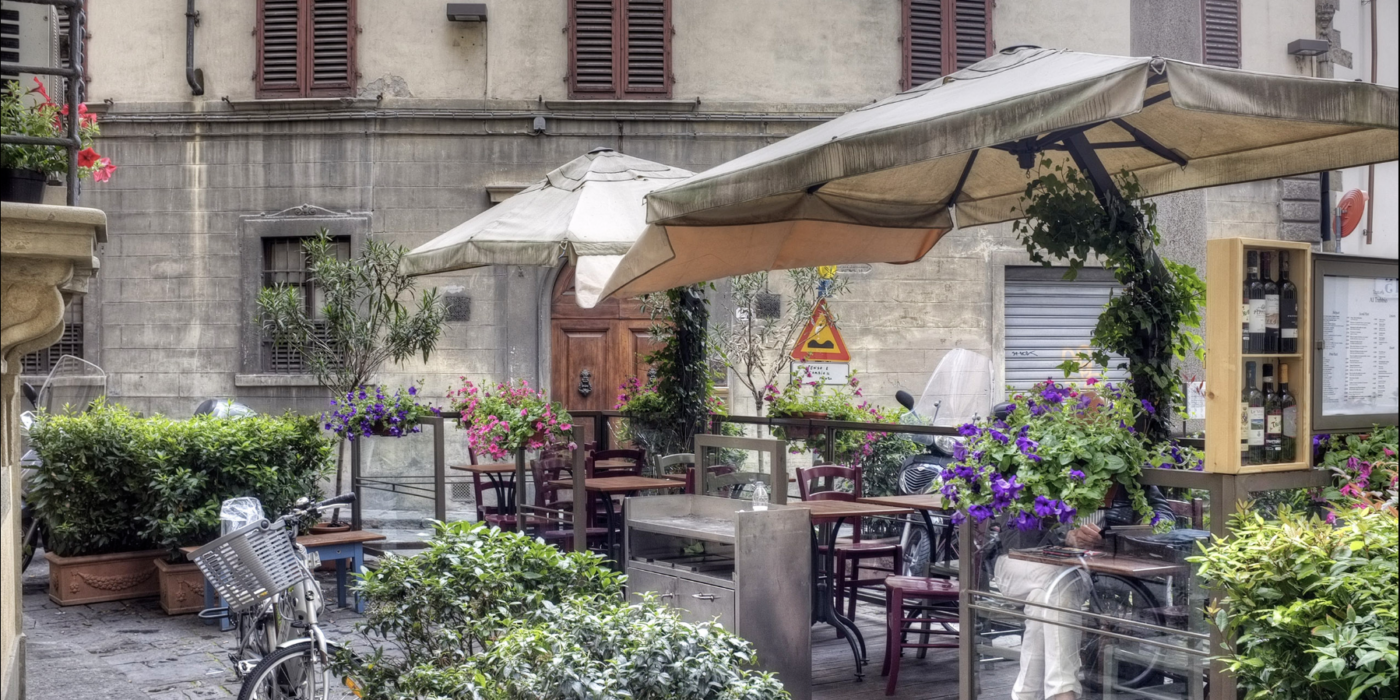
Oltrarno is the neighbourhood that, more than any other, preserves the popular and artisan identity of the city. Here, between Via Maggio and the alleyways around Piazza Santo Spirito, you will still find workshops of restorers, luthiers, picture framers, and goldsmiths. In the morning, the square comes alive with the market, while in the evening it becomes one of the favourite gathering spots for locals. Staying in Oltrarno means experiencing Florence from the inside, away from the crowds of the historic centre..

San Frediano: young, creative, and authentic

Adjacent to Oltrarno, the neighbourhood of San Frediano has become in recent years the heart of Florence’s younger, more creative side. Independent art galleries, neighbourhood bookshops, family-run trattorias, and venues with live music coexist in an informal and welcoming atmosphere..

Santa Croce: history and everyday lifel

The Santa Croce neighbourhood is one of the oldest in Florence. Around the basilica of the same name, where Michelangelo, Galileo, and Machiavelli are laid to rest, a network of streets unfolds where history lives alongside daily life. The Sant’Ambrogio Market is one of the most frequented food markets among Florentines.

Campo di Marte and Cure: residential Florence

Less known to tourists, the neighbourhoods of Campo di Marte and Cure offer a glimpse of bourgeois, residential Florence. Tree-lined avenues, historic cafés, local shops, and a tranquillity rarely found in the historic centre.

Rifredi: the neighbourhood that surprises

Rifredi is Florence’s working-class neighbourhood par excellence, with a strong identity and a close-knit community. Here you will find some of the city’s best popular restaurants, local markets, and independent cultural spaces.

How to live Florence like a local
The secret to living Florence like a Florentine is choosing the right accommodation. On sweetdreamsinflorence.com you will find apartments selected in the most beautiful and vibrant neighbourhoods of Florence, carefully managed by a local team. Discover your authentic Florence.
Spring in Florence: the gardens to visit

Spring in Florence: the gardens to visit

There is a moment of the year when Florence transforms into something extraordinary: spring. The days grow longer, the air turns warm and fragrant, and the city awakens in all its beauty. The Florentine gardens, silent custodians of centuries of history and art, become the beating heart of this season. Walking among their hedgerows, fountains, and tree-lined paths is an experience no visitor should miss.

Boboli Garden: Florence’s green drawing room

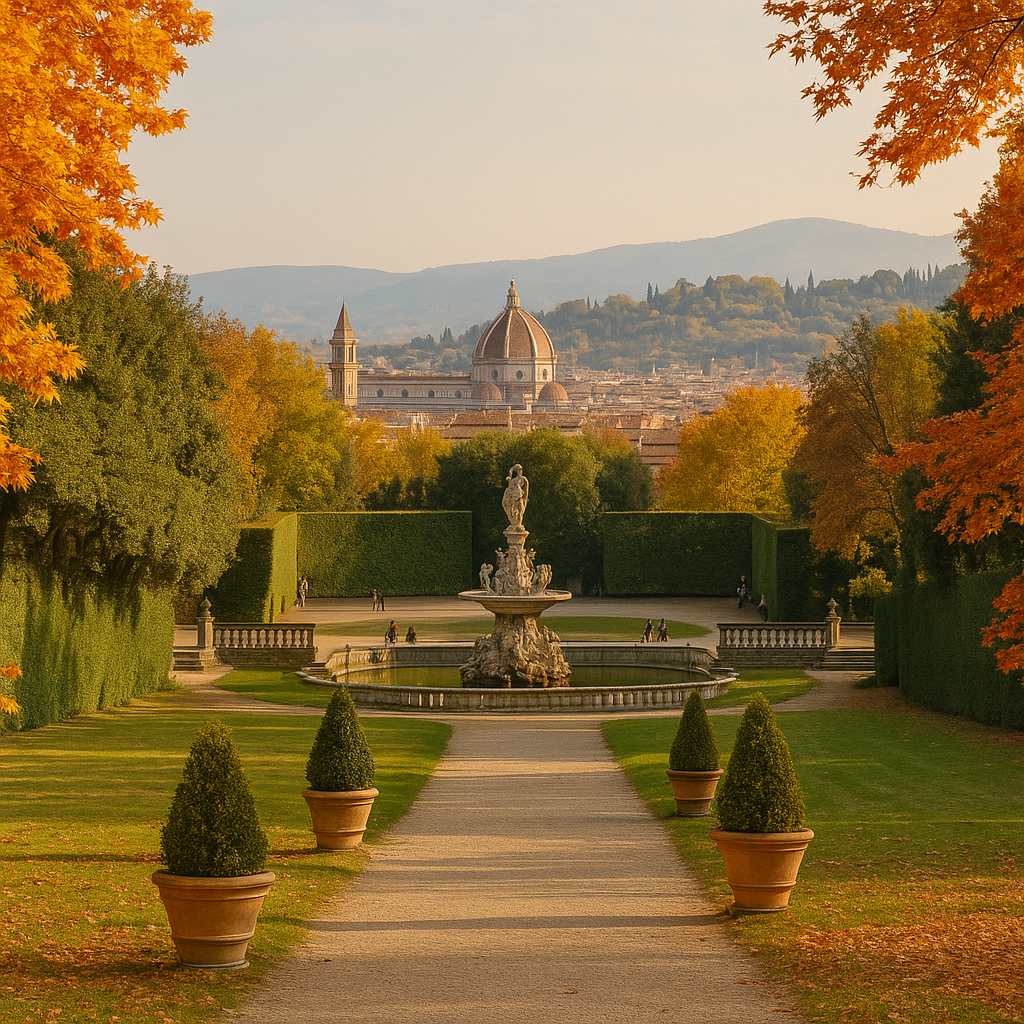
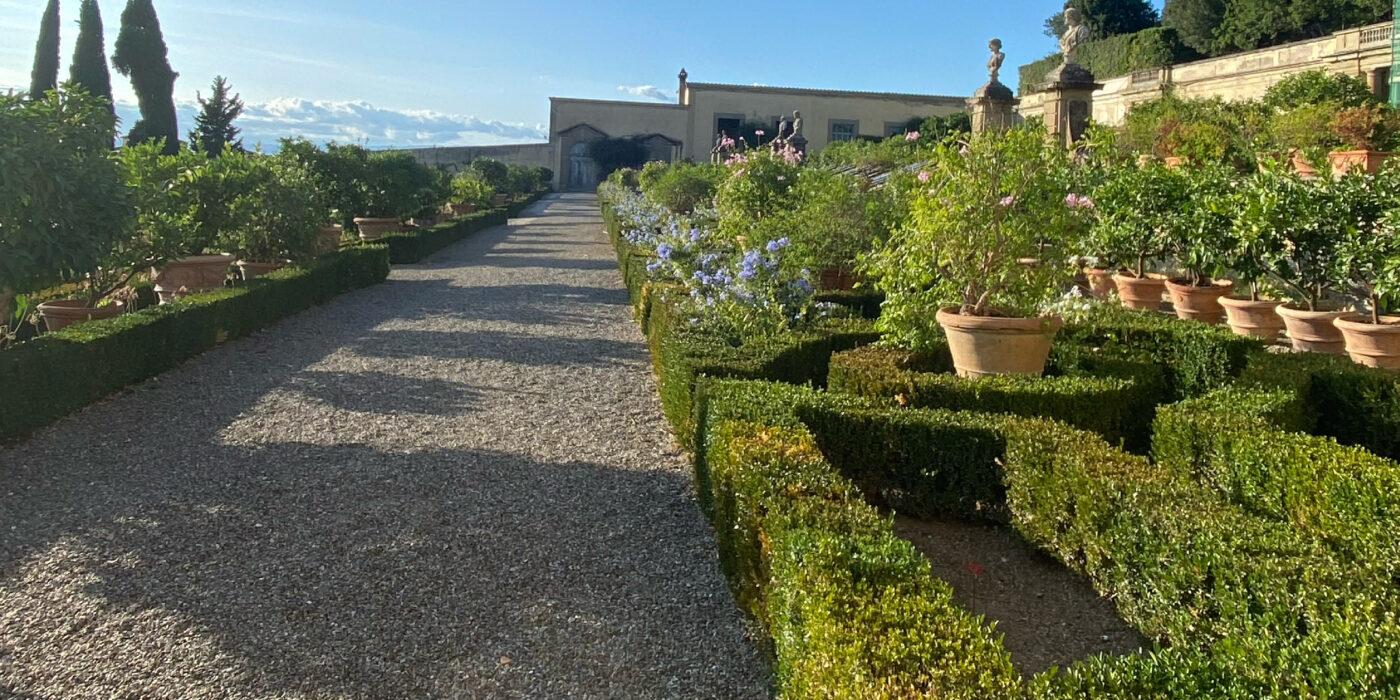
Adjacent to Palazzo Pitti, the Boboli Garden is perhaps the most celebrated of all Florentine gardens. Created in the sixteenth century at the behest of the Medici, it spreads across a hillside with a breathtaking view of the city. In spring, its box hedges, ancient statues, and flowering beds create a timeless atmosphere. Do not miss the Neptune Fountain and the Amphitheatre, where court performances were once held.

Bardini Garden: a terrace over the city

Less well known but equally enchanting, the Bardini Garden offers one of the finest views of Florence. Perched on the hills of Oltrarno, in spring it fills with blooming wisteria that forms tunnels of violet and white. The baroque staircase, the rose gardens, and the wisteria pergola make it one of the most photographed places in the city during this season.

Iris Garden: a tribute to Florence’s symbol

Each year, between April and May, the Iris Garden opens its gates to display hundreds of varieties of iris, the flower that symbolises Florence. Located near Piazzale Michelangelo, this garden is a place of rare beauty, visited by botany enthusiasts and those seeking a quiet corner away from the crowds.

Rose Garden: romance on the hillside

Not far from the Iris Garden, the Rose Garden is another hidden gem. In spring, over a thousand varieties of roses bloom along the pathways, creating an explosion of scents and colours. Entry is free, and the view of Florence that opens up through the flowering bushes is simply unforgettable..

Villa Medicea di Castello: nature as art

A few kilometres from the city centre, the Villa Medicea di Castello is home to one of the best-preserved Renaissance gardens in Italy. A UNESCO World Heritage Site, its geometric layout, artificial grottos, and monumental fountains reflect the Medici vision of the world: nature as an expression of power and harmony.

Experiencing Florence in spring, from within
To fully enjoy this season, nothing compares to staying in an apartment at the heart of the city. On sweetdreamsinflorence.com you will find a selection of carefully managed apartments, perfect for experiencing the Florentine spring as a true city dweller. Let yourself be inspired and book your stay.

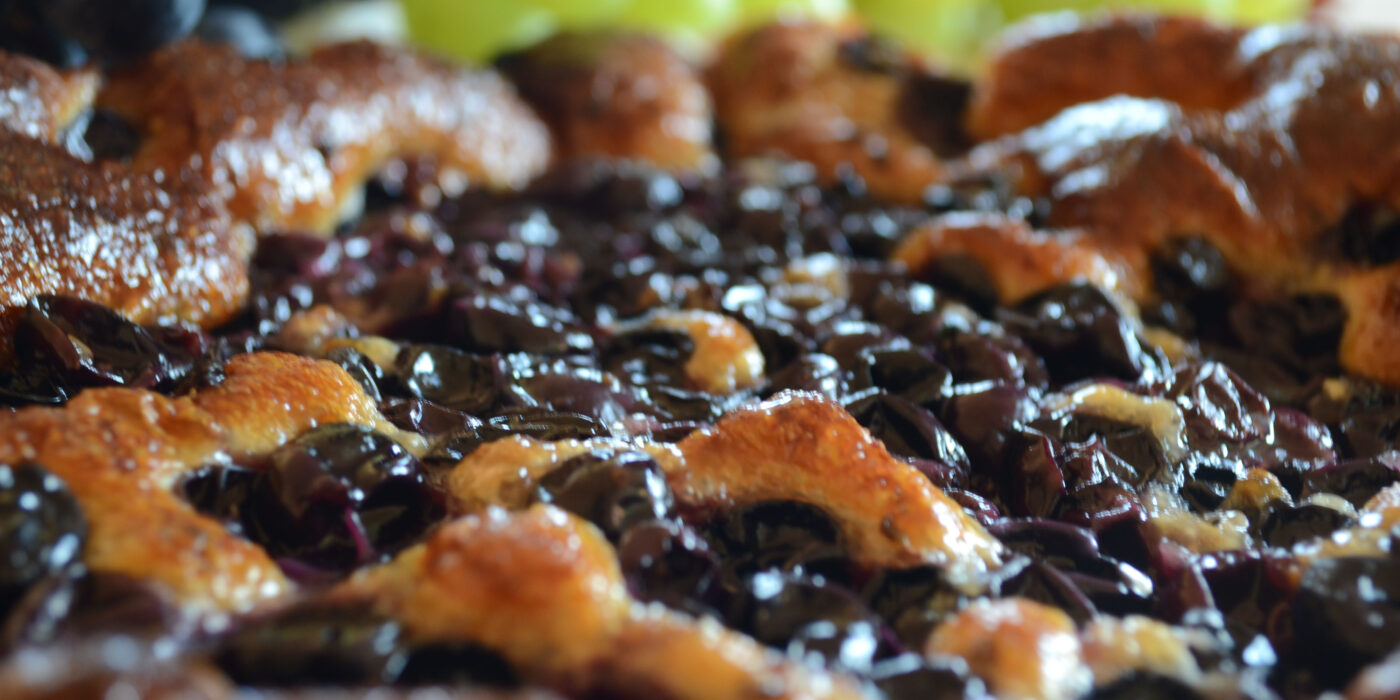
Grape Focaccia: A Culinary Icon of Florence

Among the scents that announce autumn in Florence, none evokes the convivial spirit of the harvest quite like grape focaccia. Sweet, yet rooted in the world of bread. Simple in form, yet capable of telling the story of a city and its countryside better than many other traditional specialties.

Origins of a Tradition: Florence and Chianti as One

The history of grape focaccia is deeply connected to the rural culture of Tuscany. Around the mid-twentieth century, in the hills of Chianti, the grape harvest was not only an agricultural process but a true communal ritual. Men and women spent long days among the vines, and the freshly picked grapes often made their way into bread dough. This is how this rustic focaccia took shape — enriched with bunches of grapes, sugar, and Tuscan extra virgin olive oil — the perfect fuel for those working tirelessly in the vineyards.

Over time, the recipe crossed from the countryside into Florence’s urban bakeries, becoming a beloved city tradition without losing its rural soul. Even today, in neighborhoods far from tourist routes, bakeries preserve the original preparation: two layers of dough, generously filled in the middle, and covered again on top with grapes that burst in the oven, releasing their violet sweetness.

The Harvest and the Grapes that Define It

Grape focaccia Florence would not have the same character without a very specific ingredient: the grape. Traditionally, Canaiolo is used — a wine grape with thick skin and deep color, once essential in Chianti blends. Baking it into focaccia was a way of honoring the fruit that ensured sustenance and future for farming families. Today, when dark clusters appear in Florence’s markets in late summer, locals know the moment of the first slice has arrived.

A Popular and Cultural Staple

What makes this specialty so distinctly Florentine is its popular soul. It never aspired to the elegance of elaborate patisserie, but to the sincere pleasure of something made to be shared. Every bakery, every family has its own version, and debates are common: softer or thinner, sweeter or with that slight savory note that defines so much of Tuscan cuisine.

Where to Find It in Florence Today

In September and October, the unmistakable aroma of grape focaccia fills streets and piazzas. Historic bakeries in the city center bake it daily, while in neighborhood markets it becomes both children’s afternoon snack and adults’ quick break. For visitors arriving in Florence at this time of year, a still-warm slice offers one of the most direct ways to feel connected to local life.

A Tradition That Endures

To taste grape focaccia in Florence is to embrace the collective memory of a land that never forgets its roots. It is a simple gesture, joining past and present, countryside and city, labor and celebration. A specialty that continues to surprise with its authenticity, returning each harvest season as a small but powerful celebration of identity.

Florence Biennale 2025: Florence becomes the beating heart of international creativity

From 18 to 26 October 2025, the Fortezza da Basso will once again become the beating heart of international creativity with the 15th edition of the Florence Biennale, one of the most anticipated cultural events of the year in Tuscany.
Under the title “The Sublime Essence of Light and Darkness. Concepts of Dualism and Unity in Contemporary Art and Design”, the Biennale invites visitors to explore the magnetic interplay between light and shadow, harmony and contrast, matter and spirit — a journey through contemporary art and design that bridges worlds and ideas.

A global and ambitious edition

More than 550 artists and designers from 85 countries will bring over 1,500 works to life across 11,000 square meters of exhibition space inside the Fortezza. Installations, sculptures, paintings, video art and experimental design projects will transform Florence into a vibrant crossroads of visual languages.
Recognized as one of the most influential platforms for dialogue between artistic cultures and aesthetic research, the Florence Biennale continues to strengthen the city’s role as an international capital of contemporary creativity.

Tim Burton in Florence: light, darkness and imagination

Among the most eagerly awaited guests is Tim Burton, visionary filmmaker and artist, who will receive the “Lorenzo il Magnifico” Lifetime Achievement Award on 21 October during a special ceremony at the Biennale.
The master of gothic cinema will also present the exhibition “Tim Burton: Light and Darkness”, an unprecedented showcase offering an intimate look at his fantastical worlds and dreamlike atmospheres that have shaped his unmistakable visual language.
Through drawings, installations, and conceptual works, visitors will discover a different side of the creator of Edward Scissorhands and The Nightmare Before Christmas — an artist capable of transforming the dialogue between light and shadow into visual poetry.

Patricia Urquiola and design as a language of the soul

Alongside cinema, the Biennale dedicates a significant space to contemporary design, featuring world-renowned Spanish designer Patricia Urquiola, who will receive the “Leonardo da Vinci” Lifetime Achievement Award.
Her installation “Transitions”, created specifically for the Fortezza da Basso, explores the theme of transformation through natural materials, light, and tactile textures.
It is a poetic homage to the dialogue between art, architecture, and sustainability — reaffirming the Florence Biennale’s role as a meeting point between disciplines and creative languages.

A program for all the senses

Throughout its nine days, the Biennale will offer a vibrant calendar of events: talks, workshops, live performances, film screenings, and artist encounters open to the public.
Among the highlights are the performance “Parallel Dimensions” by Maria Pacheco Cibils, the musical tribute “Tribute to John Cage” by Sergio Maltagliati, and the collective photography exhibition “Art Comes Before”, dedicated to Florentine photographer Manfredo Pinzauti.
Special sections will also focus on digital art, immersive experiences, and creative sustainability, exploring topics such as circular economy, technological experimentation, and the relationship between art and innovation.

Fortezza da Basso: the epicenter of contemporary art

At the heart of the Biennale, the Fortezza da Basso will host the exhibitions inside the Spadolini and Cavaniglia pavilions. Reimagined as immersive museum-like spaces, the venue will feature light installations, experiential design areas, and scenographic pathways designed to engage visitors on multiple levels.
Complementing the exhibitions are a Literary Café, international partnership areas, and creative workshops for children and families — bringing younger audiences closer to the world of contemporary art.

The perfect occasion to experience Florence

Attending the Florence Biennale 2025 is also a unique opportunity to experience Florence from a new perspective. For nine days, the city — renowned for its Renaissance heritage — will embrace a contemporary soul, becoming a global capital of thought, beauty, and innovation.
For visitors wishing to enjoy the event in full comfort, staying in a short-term rental near the Fortezza da Basso is the ideal choice. It allows easy access to the exhibition, leisurely walks to the historic center, and evenings filled with art, music, and Tuscan cuisine.

More information, tickets, and opening hours are available on the official Florence Biennale website.

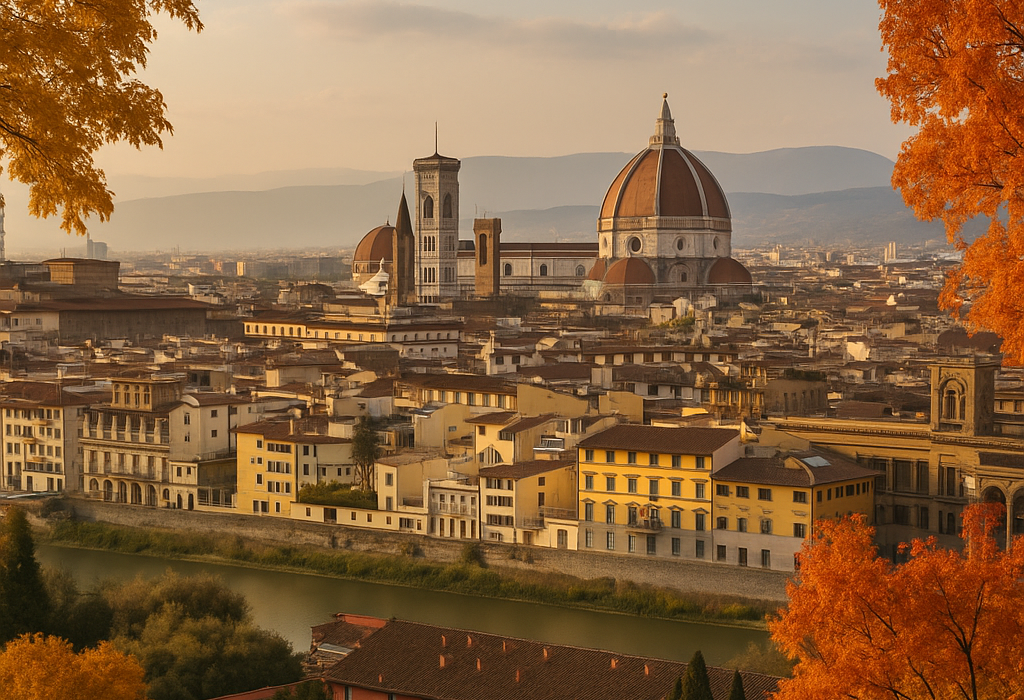
Panorama autunnale di Firenze con il Duomo

October in Florence: Must-See Events and Festivals

Florence in Autumn: The Charm of October

October in Florence is a magical month, when the city is painted with the warm colors of autumn and the crisp air accompanies walks along the Arno or through the alleys of the historic center. Visiting Florence at this time means enjoying the city away from the summer crowds, discovering cultural events, food and wine festivals, and musical performances that make the stay unforgettable. Those who choose a short-term rental in the heart of the city can breathe in an authentic atmosphere and enjoy Florence at its most intimate.

Why Choose Florence in October

October is the ideal month to travel: temperatures are mild, days are still bright, and accommodation prices are more affordable compared to peak season. The city also offers a packed calendar of events, ranging from art exhibitions to village festivals, from craft fairs to theater performances. It’s the time when Florence reveals itself not only as the capital of the Renaissance but also as a vibrant, contemporary city full of daily surprises.

Art Exhibitions and Museums Not to Miss

October in Florence marks the beginning of the autumn season for major museums. The Uffizi, Palazzo Strozzi, and Museo Novecento host temporary exhibitions that attract art lovers from all over the world. Visiting a museum this month means enjoying it with greater ease, without the long summer lines, and immersing yourself in masterpieces of the past and innovations of the present.

Tuscan Ceramics and Craftsmanship

One of the most anticipated events is the International Ceramics Fair, which every year brings artisans from Italy and abroad to Piazza Santa Croce. Colorful stalls transform the heart of Florence into an open-air workshop, where visitors can admire and purchase unique pieces of design and tradition. October is also the perfect month to explore artisan workshops in the Santo Spirito district, the beating heart of Florentine creativity.

Music and Theater Events

With autumn comes the new season at the Maggio Musicale Fiorentino, one of Italy’s most prestigious opera houses. October offers concerts, ballets, and performances blending classical and contemporary music. Teatro Verdi, on the other hand, presents shows ranging from jazz to pop, while many venues in the center organize live music evenings—perfect for those who want to experience Florence by night.

Food Festivals and Local Traditions

October in Tuscany means chestnuts, young wine, and autumn specialties. Around Florence, local festivals celebrate seasonality and conviviality. The Chestnut Festival in the Mugello hills—just a short trip from the city—is a must. Here you can taste roasted chestnuts, traditional necci, and local sweets, all paired with Tuscan wines.

The San Luca Fair in Impruneta

Not far from Florence, the San Luca Fair in Impruneta is one of Tuscany’s oldest events, dating back to the Middle Ages. In October, the village fills with stalls, shows, rides, and cultural activities. It’s a unique opportunity to experience authentic Florentine tradition and discover an area also renowned for terracotta production and extra virgin olive oil.

Florence and Craft Beer

In recent years, Florence has become a reference point for craft beer lovers. In October, several festivals and events gather local and international brewers, offering tastings and food pairings. A fun, original way to spend an evening off the classic tourist track

Autumn Walks in Florentine Gardens

Autumn brings enchanting scenery to the city’s parks and gardens. The Boboli Gardens, with their tree-lined avenues and Renaissance statues, take on warm tones that make them even more evocative. The Rose Garden, at the foot of Piazzale Michelangelo, also offers breathtaking views of Florence wrapped in October colors

Family-Friendly Events

October in Florence isn’t just about culture and food. The city hosts plenty of activities for families, including creative workshops in museums, puppet shows, and storytelling sessions in public libraries. Florence thus becomes an ideal destination for those traveling with children, who can learn about history and art while having fun.

Autumn Shopping in Historic Markets

Visiting Florence in October also means exploring its historic markets. At the Central Market of San Lorenzo, you’ll find local specialties to taste or bring home, while Sant’Ambrogio Market offers fresh seasonal produce: white truffles, pumpkins, heirloom apples, and young wine. It’s the perfect place to experience authentic Florentine daily life.

Art Nights and Special Openings

On certain autumn evenings, Florence organizes special events such as nighttime museum openings, candlelit guided tours, and performances inside historic palaces. October is therefore the month to discover a more intimate and mysterious side of the city, far from the usual tourist paths.

Day Trips Around Florence

Staying in Florence in October also means taking advantage of mild weather to explore the surroundings. The Chianti hills, medieval towns like Fiesole or Certaldo, and nature trails offer authentic experiences just a few kilometers from the center. At this time of year, vineyards glow with red and gold, creating postcard-perfect landscapes.

Florence Marathon Expo: The Sports Preview

Although the famous marathon takes place in November, in October the city is already buzzing with energy thanks to the Florence Marathon Expo. Sports stands, athlete meet-and-greets, and presentations attract hundreds of visitors, making the city even livelier.

Live Florence Like a Local

October in Florence offers a unique mix of art, culture, food, and tradition. There’s no better month to discover the city in all its authenticity—by joining events, savoring seasonal flavors, and embracing the charm of Tuscan autumn. Choosing a short-term rental with Sweetdreamsinflorence means living the city not as a tourist but as a true local: free to explore, taste, and breathe in every shade of this extraordinary place.

Discover alla the exibitions scheduled in octobre click here

Food and Wine Tours: the Best Taste Trails in Florence

Florence between art and flavors: a journey that begins at the table

When one thinks of Florence, the mind immediately turns to the Renaissance, to the great masters of art and the magnificence of historic palaces. Yet the city is not only an open-air museum: Florence also holds a soul deeply connected to culinary traditions and Tuscan wine-making. A stay in the Tuscan capital—especially when experienced through the short-term rentals of Sweetdreamsinflorence, which allow you to live like a true Florentine—becomes the perfect occasion to discover unique food and wine itineraries. Florentine cuisine is made of simple, genuine dishes rooted in popular history, enhanced by wines from the surrounding hills that make every gastronomic experience unforgettable. Strolling through the streets of the center, guided by scents and artisan shops, is an authentic way to get to know Florence from a different perspective, one that has nothing to envy of its world-famous artistic treasures.

From the San Lorenzo Market to traditional flavors

The beating heart of Florence’s gastronomic life is the Mercato Centrale di San Lorenzo, a place where history and modernity coexist. Here, visitors can lose themselves among stalls displaying typical cured meats such as finocchiona, aged cheeses with bold flavors, fragrant breads, and traditional sweets like almond cantucci. On the upper floor, completely renovated, you’ll find kitchens and restaurants offering traditional recipes with a modern twist, making it possible to taste authentic dishes in a lively and cosmopolitan atmosphere. It’s not just about tasting food, but about living a cultural experience: every stall tells a story of family, recipes passed down, and unbreakable ties to the land. Staying near the city center with Sweetdreamsinflorence means you can reach this market in just minutes, turning your daily shopping into a true culinary adventure.

The wine experience: from Chianti hills to a glass in the city

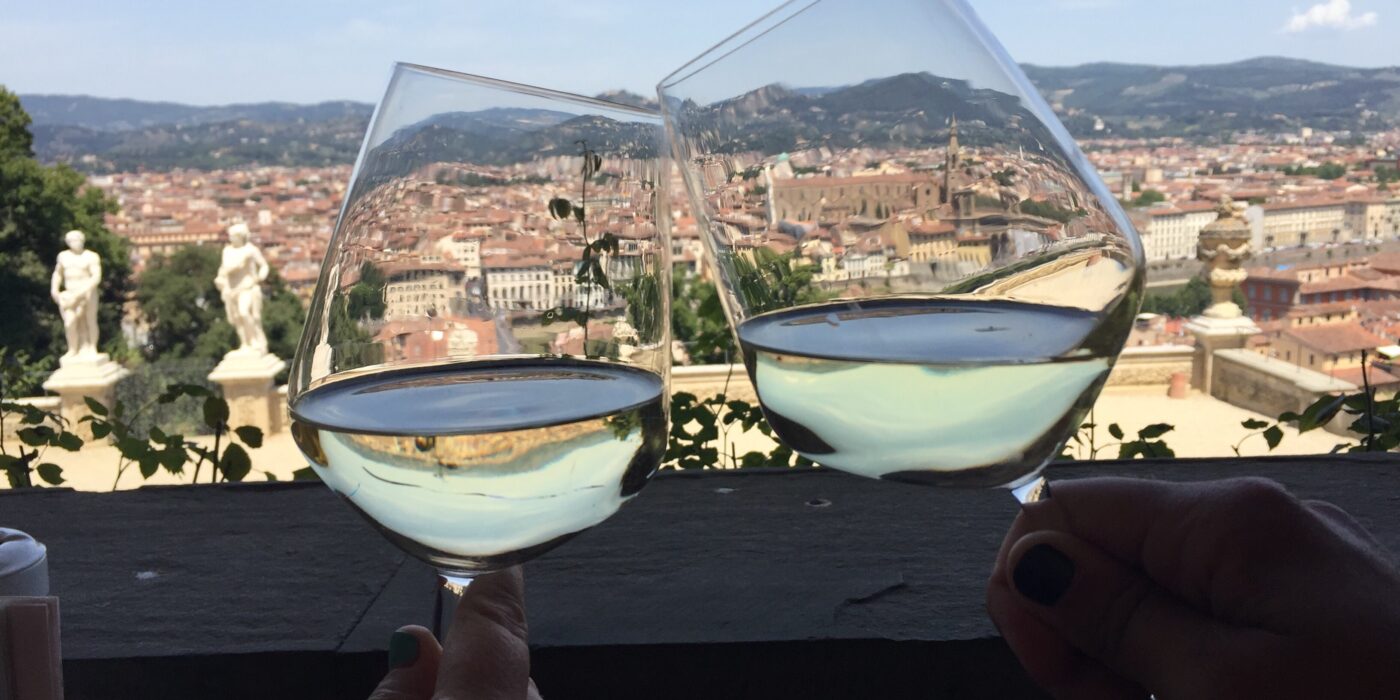
Florence is surrounded by some of the world’s most renowned wine regions, starting with Chianti Classico, a symbol of Tuscan excellence. Just a few kilometers from the city you can take guided tours of wineries, stroll through vineyards, and taste wines that embody the history and passion of entire generations. However, you don’t need to go far to discover these flavors: in the heart of Florence, you’ll find historic wine shops and modern wine bars where you can enjoy a glass of Brunello di Montalcino, Morellino di Scansano, or Bolgheri, paired with platters of Tuscan pecorino and prosciutto. This combination of experiences—between countryside excursions and urban tastings—offers a complete panorama of Tuscany’s wine universe. Guests of Sweetdreamsinflorence can plan daily itineraries into the countryside and return comfortably to the city, enjoying every moment in total freedom.

Osterias, trattorias and gourmet restaurants: Florence to savor at every level

One of the most fascinating aspects of Florence is its ability to offer culinary experiences for every taste. Traditional osterias serve emblematic dishes such as ribollita, pappa al pomodoro, and the famous bistecca alla fiorentina, in cozy settings where time seems to stand still. Historic trattorias continue to serve recipes linked to peasant cooking, based on simple yet flavorful ingredients, while gourmet restaurants reinterpret tradition with innovation and creativity, attracting food lovers from around the world. This variety makes the city a true open-air culinary laboratory, where every meal becomes an occasion for discovery. Choosing a Sweetdreamsinflorence apartment means enjoying the freedom to dine out each evening in a different restaurant—or, why not, bringing home fresh products and cooking them in your own kitchen, experimenting firsthand with traditional recipes.

A stay for the senses

A food and wine tour in Florence is not just a journey through flavors and aromas: it is a path that engages all the senses. The color of wines sparkling in the glass, the aroma of freshly baked bread, the texture of handmade pici with ragù, the sounds of lively streets filled with markets and artisan shops—all of these create memories that go beyond a simple tourist visit. For those who choose a short-term rental with Sweetdreamsinflorence, the experience becomes even more authentic: living in a home in the heart of the city allows you to experience Florence as a resident, with the chance to explore lesser-known neighborhoods, discover hidden spots, and let instinct guide you, just like a Florentine would. Food and wine tours thus become the common thread of a stay that combines culture, conviviality, and the pleasure of the table, transforming each day into a new chapter of a story made of emotions.

Rificolona: Florence’s Most Radiant Festival

A Florentine tradition that lights up September

Every year on September 7th, the streets of Florence glow with light, laughter, and tradition during the Rificolona festival in Florence. This beloved local celebration fills the historic center with colorful lanterns, music, and joy, offering a magical experience for both residents and curious visitors. Taking part in this event means connecting with the authentic spirit of Florence, far from the usual tourist routes.

The humble, rustic origins of Rificolona

The Rificolona festival has roots in the 17th century, when farmers from the surrounding countryside would come to Florence to celebrate the Feast of the Nativity of the Virgin Mary. They arrived early to sell their goods and carried handmade lanterns to light their journey. City dwellers—especially children—would mock their rustic dress and behavior, often mimicking them in jest. The word “Rificolona” was originally a playful insult, but it has since become the name and symbol of this cherished event.

Lanterns, laughter, and lively traditions

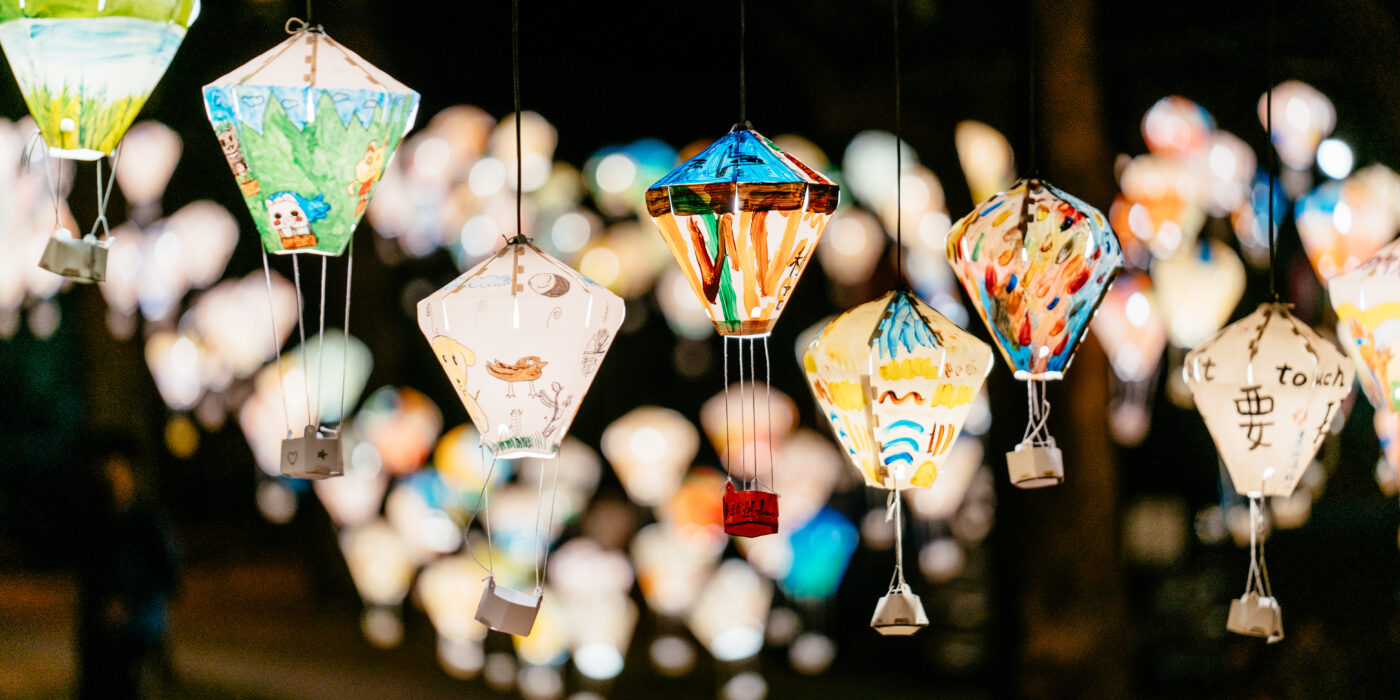
Today, the Rificolona festival in Florence is a joyful celebration of creativity and community. Children parade through the streets with handcrafted paper lanterns shaped like animals, flowers, or fantastical creatures. The main procession begins in Piazza Santa Felicita and ends in Piazza Santissima Annunziata, where a religious celebration is followed by live music, games, and lively festivities. One quirky tradition that still survives is the use of blowpipes to try and pop other people’s lanterns—playful, lighthearted fun that adds to the festival’s charm.

A unique experience for September visitors

Rificolona is more than just a local party—it’s a living expression of Florentine identity. Participating in the celebration offers insight into a centuries-old tradition that continues to thrive today. Even for those unfamiliar with the custom, it’s hard not to be enchanted by the glowing lanterns and the cheerful energy of the crowd.

Experience Rificolona with Sweet Dreams in Florence

By staying with Sweet Dreams in Florence, you’ll be perfectly placed to enjoy the Rificolona festival in Florence like a true local. Walk the lantern-lit streets, take part in the celebration, and create unforgettable memories in the heart of the city. And if you’re curious to discover more hidden traditions and local insights, explore our blog—each post is a window into the real Florence.

Discover more here

Florentine Curiosities: The Reverse Clock in the Duomo

A Clock That Defies Time

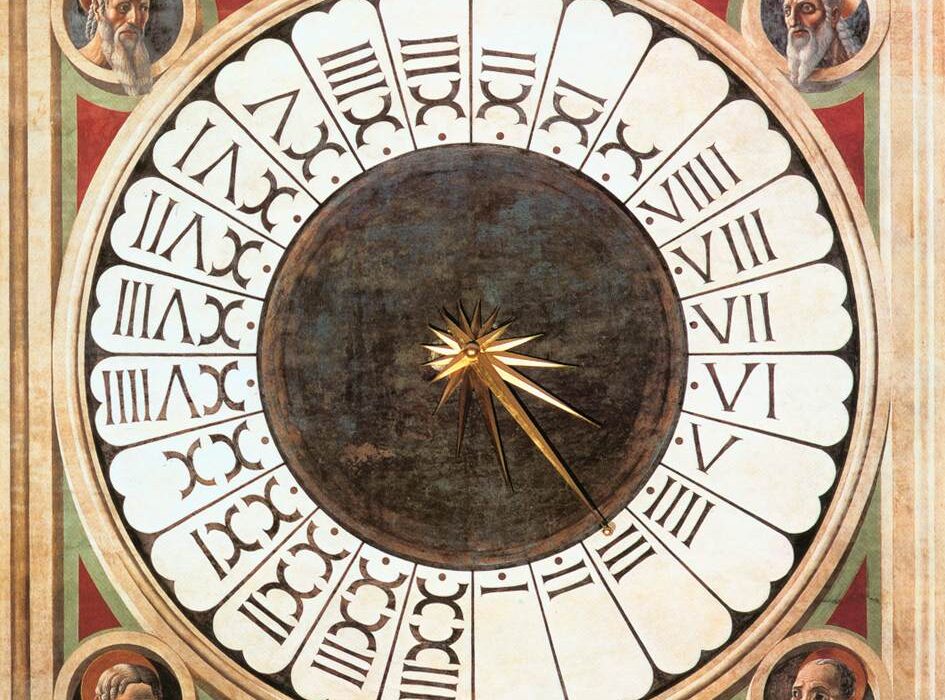
Among the many wonders of Florence’s historic center, one of the most intriguing is undoubtedly the reverse clock in the Duomo of Florence. Placed above the central entrance inside the Cathedral of Santa Maria del Fiore, this ancient timepiece surprises anyone who looks up. It’s more than just a medieval clock—it’s a window into how time was understood in the Renaissance.

Hands That Move Backwards

What makes this clock truly unique is that its hands move counterclockwise. Built in 1443 by Paolo Uccello, a master of perspective and innovation, the clock follows the so-called “Roman time” system. The 24-hour dial ends with sunset at the top, symbolizing the close of the day. It reflects a natural rhythm based on sunlight, completely different from our modern timekeeping.

A Balance of Art and Engineering

The reverse clock in the Duomo of Florence is also a piece of art. The four circular portraits surrounding the dial depict prophets, painted in Uccello’s distinctive style—rich in geometry, depth, and symbolism. Thanks to careful restoration, the clock still functions today, offering a rare glimpse into Florence’s scientific and artistic legacy.

A Hidden Gem in Plain Sight

This Florentine curiosity often goes unnoticed by hurried tourists, yet it tells a story of time, faith, and innovation. In the Renaissance, clocks weren’t just tools—they reflected a way of living. Taking a moment to admire it is a chance to slow down and connect with the soul of the city.

Discover Florence Beyond the Obvious

When you stay at Sweet Dreams in Florence, you’re perfectly placed to explore the city on foot and uncover its lesser-known treasures. The reverse clock in the Duomo of Florence is just one of many fascinating details waiting to be discovered. And for unforgettable summer nights in the city, don’t miss our blog post on Florence’s evening experiences!

Discover mor on the website of the Opera del Duomo

The Rampe del Poggi: Florence’s Hidden Summer Treasure

Florence is a city that offers beauty at every turn, but in summer, it calls for a slower, more contemplative pace. When the sun begins to set and the air cools down, one of the locals’ favorite places comes to life again: the Rampe del Poggi, at the foot of Piazzale Michelangelo. A green oasis of history, architecture, and serenity — ideal for anyone staying in Florence during the warmer months.

A 19th-century masterpiece brought back to life

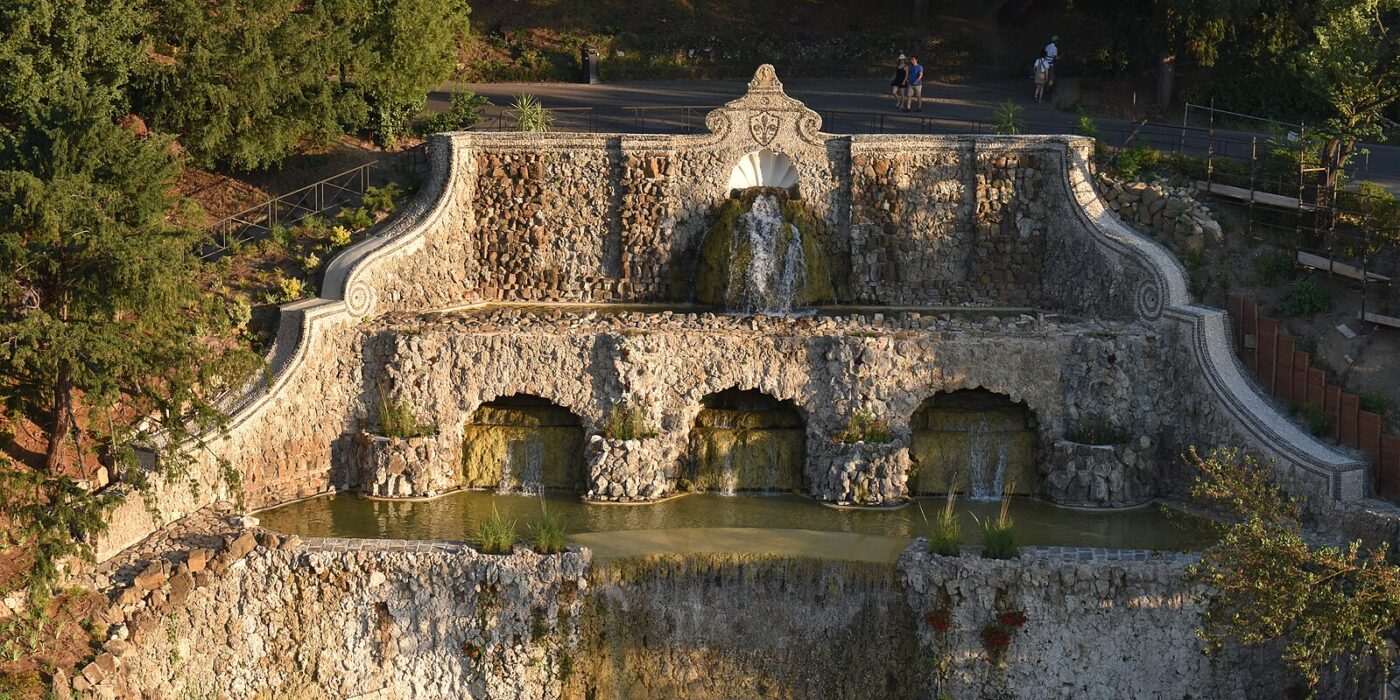
The Rampe are a series of scenic stairways, grottos, fountains, and cascading water features designed in the late 1800s by Giuseppe Poggi, the architect responsible for Florence’s urban transformation during its time as capital of Italy. Originally envisioned as a monumental path leading up to the newly created Piazzale Michelangelo, they were also meant to blend harmoniously with the surrounding hillside landscape.

For decades, the Rampe remained hidden, neglected, and almost forgotten. But after a careful restoration completed in 2019, they now stand as one of the city’s most charming urban spaces: a vertical garden of stone and water, where nature and architecture coexist in perfect balance.

A symbolic spot for Florentine summer evenings

In summertime, the Rampe become a must for those who want to enjoy Florence in a more authentic way. It’s not just a stroll — walking up the path, stopping to admire the fountains, sitting on a stone bench and listening to the sound of flowing water offers a sense of calm that feels both rare and necessary.

From late afternoon onwards, friends, families, curious travelers, and local photographers gather here, especially to catch the golden hour. The path leads to Piazzale Michelangelo, famous for offering one of the most breathtaking views of Florence, particularly at sunset.

Between 7:30 and 9:00 PM, the atmosphere becomes truly magical. The sky glows pink, the Arno river reflects the golden light, and Brunelleschi’s dome rises majestically above the rooftops.

Don’t miss the San Niccolò Tower

Just steps away from the Rampe lies another summer-only gem: the Torre di San Niccolò. It’s the only medieval tower in Florence still open to the public, but only during the warmer months. Climbing its 160 steps rewards you with an exclusive panoramic view over the city — from the Oltrarno to the Duomo — and gives you a unique insight into the city’s ancient defense system. Guided tours are available, offering both history and perspective from a truly unforgettable vantage point.

Summer in Florence: beauty that unfolds at sunset

Writing about Florence often means showcasing its most famous landmarks — but it’s places like the Rampe del Poggi that reveal the city’s more intimate side. There are no entry tickets, no waiting lines — just the joy of discovering a hidden path where water flows through stone and nature cools the air.

At Sweet Dreams in Florence, we love sharing these authentic experiences with our guests. We believe that a stay in the city should be more than a bed — it should be a way to feel part of Florence, even just for a few days. The Rampe del Poggi invite you to slow down, breathe in the beauty, and discover a side of Florence that’s unforgettable.

Short term rentals in summer: how to maximize bookings

Short-Term Rentals in Summer: How to Maximize Bookings

Summer in Florence is one of the most important seasons for the short-term rental market. However, in recent years, extreme heat and growing regulation have significantly changed the landscape. Now more than ever, maximizing bookings requires a management strategy that’s attentive to guests’ needs and aware of how the market is shifting.

Market Trends: Performance and Booking Behavior

Over the past year, short-term rentals in Florence have maintained high profitability, with average occupancy rates exceeding 70% and daily rates steadily increasing. Still, during the hottest months—especially from late July to mid-August—a slight drop in demand has been noted. Scorching heat, now more frequent and intense, is impacting the length of stays and travelers’ willingness to spend extended time in the city.

Nonetheless, Florence remains a highly attractive destination, particularly for international tourists. That said, there’s a growing trend toward shorter stays, last-minute bookings, and greater attention to thermal comfort.

The Heat Factor: Adapting Your Offering

A typical Florentine summer often sees temperatures soar past 35°C (95°F). This has a strong impact on guest preferences. Travelers increasingly seek accommodations with air conditioning, well-insulated spaces, and cooling amenities. Small comforts—like blackout curtains, extra fans, and chilled water at check-in—can truly elevate the guest experience.

Providing practical tips about nearby shaded areas, public fountains, or air-conditioned spots in the neighborhood also makes your place stand out and leads to better reviews.

Pricing Strategy and Booking Flexibility

Another key to maximizing summer bookings is flexible, demand-based pricing. A dynamic pricing model helps ensure high occupancy, even in less predictable periods affected by heatwaves or competition.

It’s also wise to encourage short or mid-length stays, promote last-minute offers, and offer direct booking discounts. These tactics not only boost revenue but also build loyalty among travelers seeking a hassle-free stay.

Hospitality and the Guest Experience

The guest experience is at the heart of every successful booking. In summer, this means responsive communication, early check-in or luggage storage options, and transparency about amenities. Personalized touches—such as a welcome message with local heat-avoidance tips or restaurant suggestions for cooler evening hours—can go a long way.

Well-crafted hospitality generates strong reviews, repeat bookings, and valuable word-of-mouth exposure.

Local Regulations and Smart Management

Florence has introduced several regulations affecting short-term rentals, particularly in the UNESCO historic center. Hosts must stay informed about restrictions, tourist tax increases, and technical requirements. Compliance is not only mandatory but also helps build guest trust and enhances listing visibility on rental platforms.

Being transparent, sustainable, and aligned with local laws signals professionalism and can give your listing a competitive edge.

Conclusion

Maximizing bookings for short-term rentals in summer means adapting to a fast-changing environment. Success is no longer just about location or pricing, but also about anticipating travelers’ needs in a city that’s becoming increasingly hot, competitive, and regulated. A thoughtful, climate-conscious, guest-centered approach will turn your property into a highly desirable place to stay—ensuring not just a full calendar, but long-term satisfaction.

Sources:
Airbtics – Occupancy rates and average daily rates in Florence (2024–2025)

AirDNA – Performance data: occupancy, rates, and monthly revenue

Il Sole 24 Ore – Florence short-term rental income and tourist tax updates

Il Tirreno – Summer tourism occupancy study in Tuscany

City of Florence – Short-term rental regulations and historical center limits

Florence Daily News – 2025 restrictions on key boxes for short-term rentals

Hosthub – Global Airbnb restrictions and compliance map