Contemporary Art in Florence

When people think of Florence, they often imagine the masterpieces of the Renaissance—Michelangelo, Botticelli, and the Uffizi Gallery. But this iconic Tuscan city is more than a celebration of the past: in recent years, it has become an exciting destination for contemporary art lovers. If you’re a traveler drawn to modern expression, cutting-edge creativity, and unconventional exhibition spaces, Florence invites you to explore a vibrant and evolving cultural scene that reaches far beyond the classics.

The Strozzina: Contemporary Art in the Heart of Renaissance Elegance

Located in the historic center, Palazzo Strozzi is renowned for hosting international exhibitions. Within its grand halls, the Strozzina offers a dynamic space dedicated to contemporary art. This gallery focuses on thought-provoking installations and thematic shows that reflect today’s social, cultural, and political conversations. Visiting the Strozzina is a powerful experience—each exhibition is curated with care and often features emerging or mid-career artists who challenge conventional boundaries through innovative forms.

Beyond the Classics: Independent Galleries in the Oltrarno

Crossing the Arno River into the bohemian Oltrarno district opens up a whole new artistic world. This neighborhood, rich in personality and creativity, is home to some of Florence’s most compelling independent art spaces. Places like NAM – Not a Museum, part of the Manifattura Tabacchi cultural hub, as well as galleries tucked into the side streets of via Maggio and San Frediano, offer rotating exhibitions and multimedia installations that embody Florence’s experimental side. It’s in these quieter, less touristy corners that the city’s artistic pulse beats loudest—alive with new voices and contemporary energy.

Urban Creativity: Street Art and Cultural Spaces in Transformation

Contemporary art in Florence isn’t limited to galleries—it spills into the streets, parks, and former industrial zones. Urban art, open-air installations, and interdisciplinary centers are reshaping the city’s cultural map. Initiatives like PARC – Performing Arts Research Centre highlight Florence’s growing role as a creative lab, where visual art blends with performance, sound, and digital experimentation. As you explore the city, keep an eye out for public art interventions that turn unexpected places into stages for imagination and dialogue.

Where to Stay for a Creative Experience

To make the most of Florence’s contemporary side, choosing the right accommodation is key. Sweet Dreams in Florence’s apartments offers the perfect base: centrally located, peaceful, and thoughtfully designed. Whether you’re heading to a gallery opening or returning from a day of artistic exploration, you’ll find comfort, charm, and inspiration waiting in our welcoming rooms. Staying with us means being close to the heart of the city’s culture—both classic and contemporary.

A New Way to See Florence, Beyond the Renaissance

Florence is not only a window into the past but also a living city where the present takes shape through art. If you’re a traveler who craves depth, discovery, and creativity, this alternative itinerary will show you a side of Florence that’s fresh, unexpected, and deeply engaging. Come and experience an art scene that speaks to the now, and fall in love with a city that continues to reinvent itself through beauty and imagination.
Book here your ticket for Palazzo Strozzi

The Via degli Dei from Florence, a Journey of Trekking

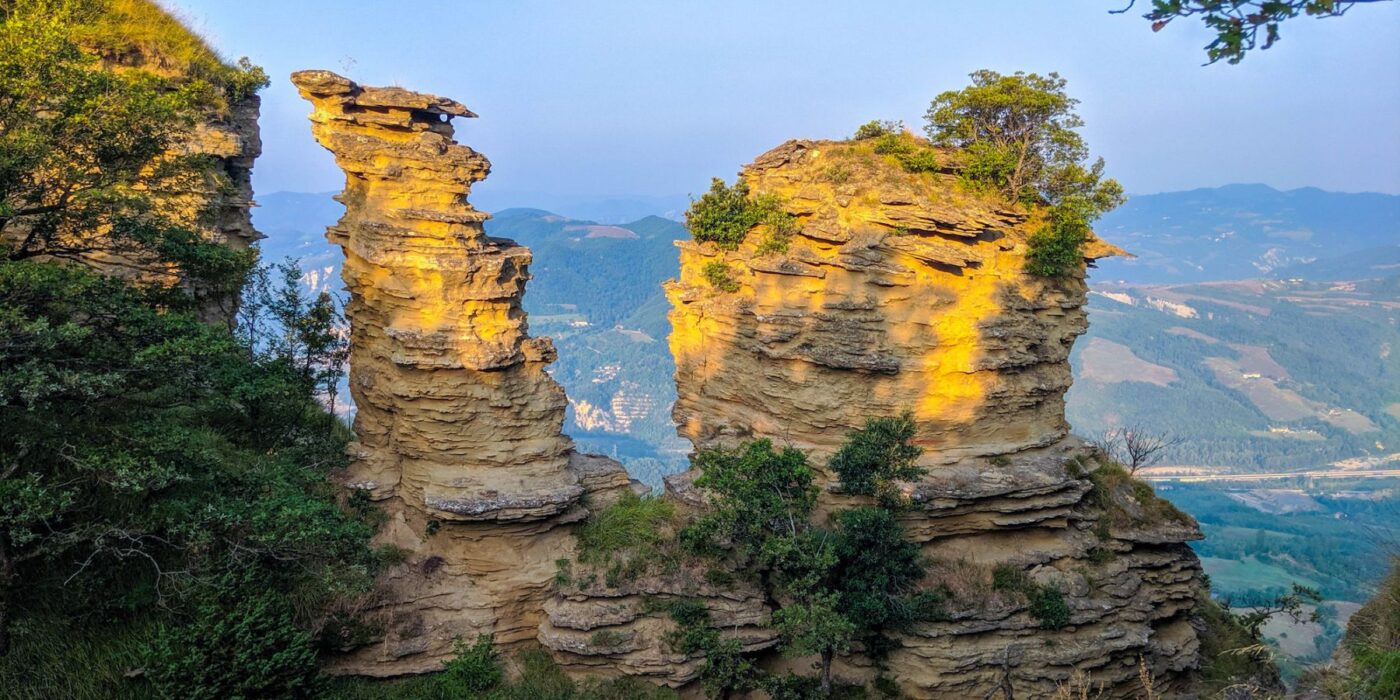
Florence is not only a treasure trove of art, museums, and Renaissance beauty—it is also the starting point for a unique journey that blends physical adventure with inner exploration. The Via degli Dei (Way of the Gods) is one of Italy’s most fascinating long-distance trails, beginning right in the heart of Florence and stretching all the way to Bologna. This route takes hikers through ancient roads, breathtaking landscapes, and centuries of history. It’s the ideal experience for those seeking a meaningful walk that combines nature, history, and spiritual reflection.

From Florence to the Apennines: A Journey Through Time and Landscape

The path begins in the historic center of Florence, near Piazza della Signoria, with Renaissance landmarks still in sight as the journey begins. From there, the trail gradually leads you out of the city and into the Tuscan hills, passing through places like Fiesole, Monte Senario, and the Futa Pass. Along the way, you’ll encounter Roman roads, medieval monasteries, and quiet hilltop villages. This is a side of Tuscany that few tourists see—peaceful, raw, and full of hidden stories waiting to be discovered.

A Pilgrimage of the Soul: More Than Just a Trek

While the Via degli Dei is a physically rewarding hike, it’s also a spiritual path. The rhythm of walking day after day allows space for deep reflection and personal connection. Pilgrims along this route often speak of a sense of peace and perspective that grows with every step. The trail is dotted with chapels, mountain crosses, and contemplative spots that invite you to slow down and listen—to nature, to your thoughts, and to the sacred silence around you.

Start Your Journey Right: Stay in Florence Before You Walk

If you’re planning to walk the Via degli Dei, Florence is the perfect place to begin your journey—mentally and physically. At Sweet Dreams in Florence, you can relax in comfort before setting off, taking time to enjoy the city’s vibrant atmosphere, art, and cuisine. Our La Limonaia apartment, close to the trail’s departure point, is ideal for resting, preparing, and starting your pilgrimage with energy and inspiration. Your journey with the gods begins with a peaceful stay in the heart of the city.

A Memorable Adventure with a Florentine Soul

The Via degli Dei is more than just a hike—it’s a transformative experience that leaves a lasting imprint. It’s a path of gratitude, discovery, and renewal. And Florence, with its rich history and warm hospitality, is not just the beginning of this adventure—it’s an essential part of it. Join us, and let your journey unfold step by step, starting from one of the most beautiful cities in the world.

Discover more about The Via degli Dei on the official website

What to Do in Florence from April 25 to May 1

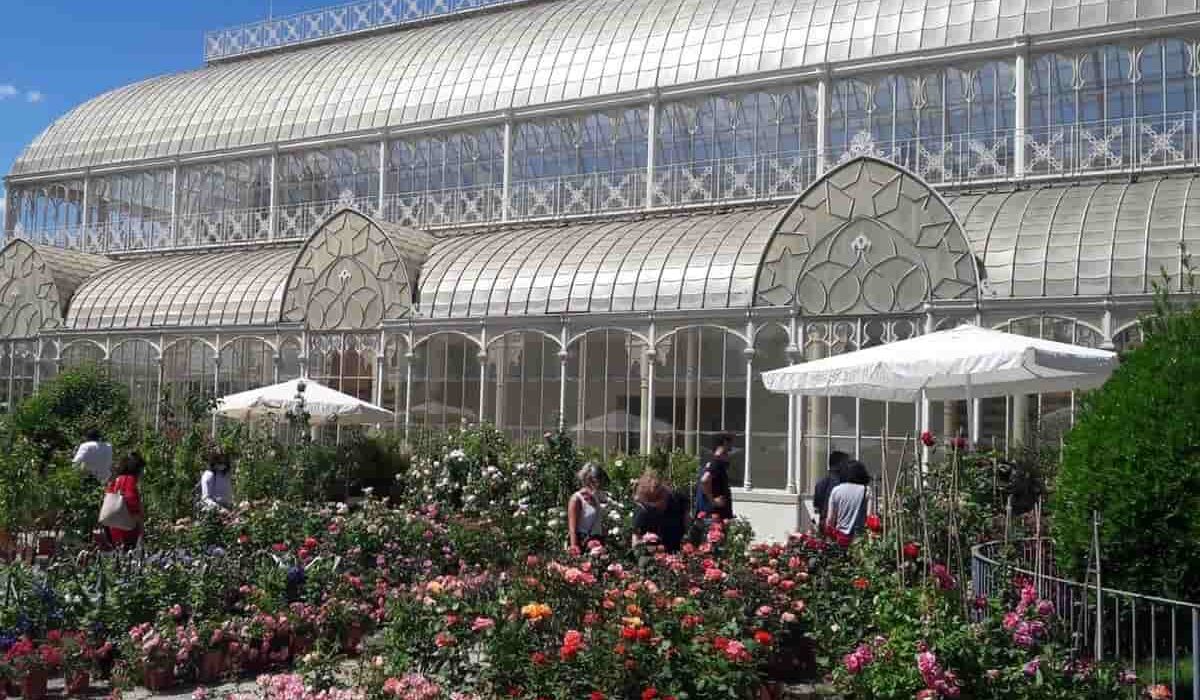
Spring in Florence brings a renewed energy, filling the city with vibrant colors, enticing scents, and cultural events that turn every corner into a celebration of beauty. If you’re in town between April 25 and May 1, 2025, you’ve chosen one of the most enchanting times of the year. During this special week, Florence hosts two iconic events: the Florence International Handicrafts Trade Fair and the Spring Flower Exhibition at the Horticulture Garden—a perfect blend of creativity and nature.


The Craft Fair: A Journey Through the Hands of the World

From April 25 to May 1, the historic Fortezza da Basso becomes the stage for the International Handicrafts Trade Fair (MIDA), an event that has celebrated handmade excellence for over 80 years. Artisans from Italy and around the globe come to showcase their finest creations, offering visitors the chance to discover unique products, watch live demonstrations, and even participate in creative workshops. It’s a great opportunity to find one-of-a-kind items, support local and global crafts, and experience the vibrant atmosphere of this historic fair. Plus, there are food zones with traditional Tuscan flavors, live performances, and interactive exhibitions that enrich the experience.


Florence in Bloom: The Spring Flower Show at the Horticulture Garden

Meanwhile, just a short walk from the city center, the Giardino dell’Orticoltura bursts into bloom for the Spring Flower Exhibition, a beloved event that transforms this 19th-century park into a botanical wonderland. Stroll among rare flowers, bonsai trees, aromatic herbs, and garden accessories while enjoying the peaceful elegance of Florence’s green heart. The setting, complete with its glass-and-iron greenhouse, offers the perfect escape from the city buzz—ideal for photos, a relaxing break, or picking up natural products directly from local growers.


Culture, Relaxation, and the Joy of Discovery

Between the two fairs, Florence offers countless ways to fill your days with art, history, and leisure. Museums stay open, piazzas come alive with music and conversation, and spring evenings are perfect for sipping wine in a hidden courtyard. Use this festive time to explore lesser-known neighborhoods like San Niccolò or the Oltrarno, where artisan workshops, panoramic views, and authentic local life come together in a unique blend of tradition and charm.


Your Home Away from Home in Florence

For a truly comfortable and memorable stay during this busy and exciting week, choose a place where you can unwind and feel at home. Sweetdreamsinflorence offers apartments, with stylish atmosphere in a central location, just steps from the city’s most iconic landmarks and both major events. After a day filled with flowers, markets, and sunshine, our cozy rooms will welcome you with peace, care, and the charm of true Florentine hospitality.


A Week of Beauty and Inspiration in the Heart of Tuscany

From April 25 to May 1, Florence becomes a city of creativity and renewal. Whether you’re passionate about design, love gardening, or simply want to enjoy the best of spring in Italy, this is the perfect time to visit. Book your stay early, discover the many faces of Florence, and let yourself be enchanted by a city where every detail tells a story.

Book here your ticket for the Florence International Handicrafts Trade Fair 

April 25 in Florence: history, emotion, and timeless beauty

A city that breathes freedom

April 25 is a day of deep meaning for Italy, but in Florence, it becomes something truly poetic. As you wander through streets where the past lives in every stone, the celebration of Liberation Day turns into a vibrant encounter between memory and beauty. If you’re lucky enough to be visiting the city at this time, prepare for an experience that will touch both your eyes and your heart.

A morning of remembrance in the heart of the city

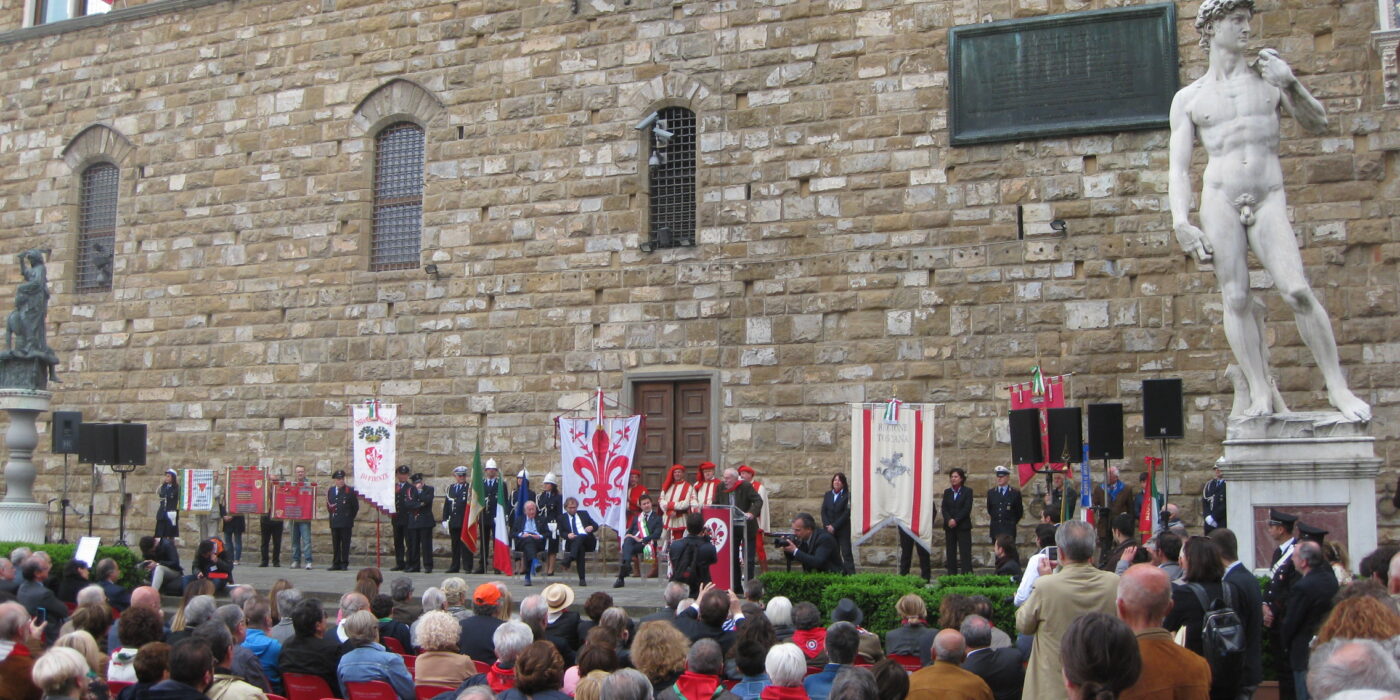
The day begins with an air of reverence. In Piazza Unità Italiana, a wreath is laid in memory of those who fought for freedom, followed by a solemn procession through the historic center toward Palazzo Vecchio. Here, a public ceremony brings together city officials, citizens, and visitors in a powerful tribute to Florence’s role in the Italian Resistance.

As the day unfolds, the city blossoms with energy. In the afternoon, Piazza della Signoria becomes a stage for the Filarmonica Rossini’s concert, filling the Renaissance square with soaring music and a touch of magic.

Florence in bloom: culture, gardens, and spring light

April is a perfect month to fall in love with Florence. All around the city, events flourish like spring flowers. Cultural centers and libraries host readings and exhibitions, where stories of the past meet modern creativity. For a sensory delight, walk up to the Bardini Gardens: a hillside garden overlooking Florence, where wisteria and roses bloom in stunning harmony.

And for art lovers, the city offers an unmissable gift: many museums open their doors for free on this special day. From the Uffizi to the Pitti Palace, from the Boboli Gardens to the Bargello Museum, it’s the perfect time to dive into the artistic soul of Florence without spending a euro.

Walking through memory

Those with a passion for history can take part in guided walks through sites linked to the Resistance. Places like the Monument to the Executed in the Cascine Park or the Casone dei Ferrovieri open a window into the struggles and hopes of a generation that fought for freedom. In Florence, history is not locked in books—it lives in the streets, ready to be discovered.

Practical tips for visitors

April 25 is a national holiday in Italy, so the city will be lively and full of events. Book museums and restaurants in advance, and plan to explore on foot. Florence is especially charming in the spring light—stop for a gelato in Piazza della Repubblica or climb to Piazzale Michelangelo for a sunset you’ll never forget.

On this day, Florence doesn’t just welcome you. It embraces you with its stories, its songs, and its soul.

Easter in Florence

Easter in Florence: a Journey Through Tradition, Art and Flavors

Spending Easter in Florence feels like stepping into a living painting—surrounded by Renaissance art, rich traditions, and flavors that tell the story of Tuscany. The city, already a masterpiece year-round, becomes even more magical during the Easter holidays. Historic rituals, cultural events, and a vibrant spring atmosphere make it an unforgettable destination for a short getaway.

The “Scoppio del Carro”: A Must-See Tradition

The highlight of Easter in Florence is undoubtedly the Scoppio del Carro, or “Explosion of the Cart,” a spectacular tradition that takes place on Easter Sunday in Piazza del Duomo. A richly decorated cart, known as the Brindellone, is pulled by oxen to the space between the Baptistery of San Giovanni and the Cathedral of Santa Maria del Fiore. At noon, during the Easter Mass, a mechanical dove (symbolizing the Holy Spirit) glides along a wire from the altar to ignite fireworks inside the cart—setting off a dazzling explosion. According to legend, a successful blast brings good luck for the year to come.

Discover Art and Breathtaking Views

During the Easter weekend, Florence offers endless opportunities to explore its artistic treasures and enjoy some of the best views in Italy. One of the best ways to start the day is with a walk or bike ride up to Piazzale Michelangelo, where you can take in the full panorama of the city—the Duomo rising above red-tiled roofs, framed by Tuscan hills.

Art lovers will find the Uffizi Gallery and the Accademia (home of Michelangelo’s David) hard to resist. Be sure to book tickets in advance, as this is a popular time for both locals and tourists. For a more relaxed stroll, walk along the Arno River or cross the iconic Ponte Vecchio, soaking in the romantic atmosphere of Florence in bloom.

Traditional Easter Flavors in Florence

Easter is also a feast for the senses, and Florence’s culinary scene doesn’t disappoint. Local trattorias and restaurants—especially in authentic neighborhoods like San Frediano or Sant’Ambrogio—serve up traditional dishes such as roast lamb with potatoes, Tuscan crostini, and sweet treats like schiacciata di Pasqua, a soft, anise-flavored Easter bread. You’ll also find artisan-made Colomba cakes, the Italian dove-shaped symbol of Easter.

Many restaurants offer special Easter menus that blend tradition and innovation, giving you the chance to taste regional classics reinterpreted with a modern twist.

Spring Vibes and Easter Markets

Spring is arguably the best season to explore Florence. The mild weather, blooming gardens, and longer days add a special charm to every piazza and hidden corner. During Easter, you’ll find open-air markets and artisan fairs, perfect for picking up handmade gifts, local delicacies, or seasonal decorations.

For a peaceful break from the city buzz, visit the Boboli Gardens or the Bardini Garden—both offer lush landscapes, historic statues, and blooming wisteria tunnels that feel like something out of a dream.

A Memorable Easter Getaway

Whether it’s the excitement of the Scoppio del Carro, the scent of fresh-baked Easter breads, or the golden sunset over the Arno, Easter in Florence is an unforgettable experience. It’s a time when the city’s timeless beauty, cultural richness, and warm hospitality come together—offering every visitor a chance to create lasting memories in one of the most enchanting places in the world.

Dettaglio dei fiori di glicine lilla a Villa Bardini

Wisteria Blooming at Villa Bardini

The Wisteria Bloom at Villa Bardini: A Springtime Spectacle in Florence

Every spring, a small miracle of nature takes place in the heart of Florence: the wisteria bloom at Villa Bardini. A burst of color and fragrance transforms this historic garden into a corner of paradise, drawing thousands of visitors, photographers, and nature lovers every year. This enchanting event has become one of the most iconic highlights of the Florentine spring—a must-see for those who cherish beauty, nature, and history.

Villa Bardini: A Hidden Gem in Florence’s Hills

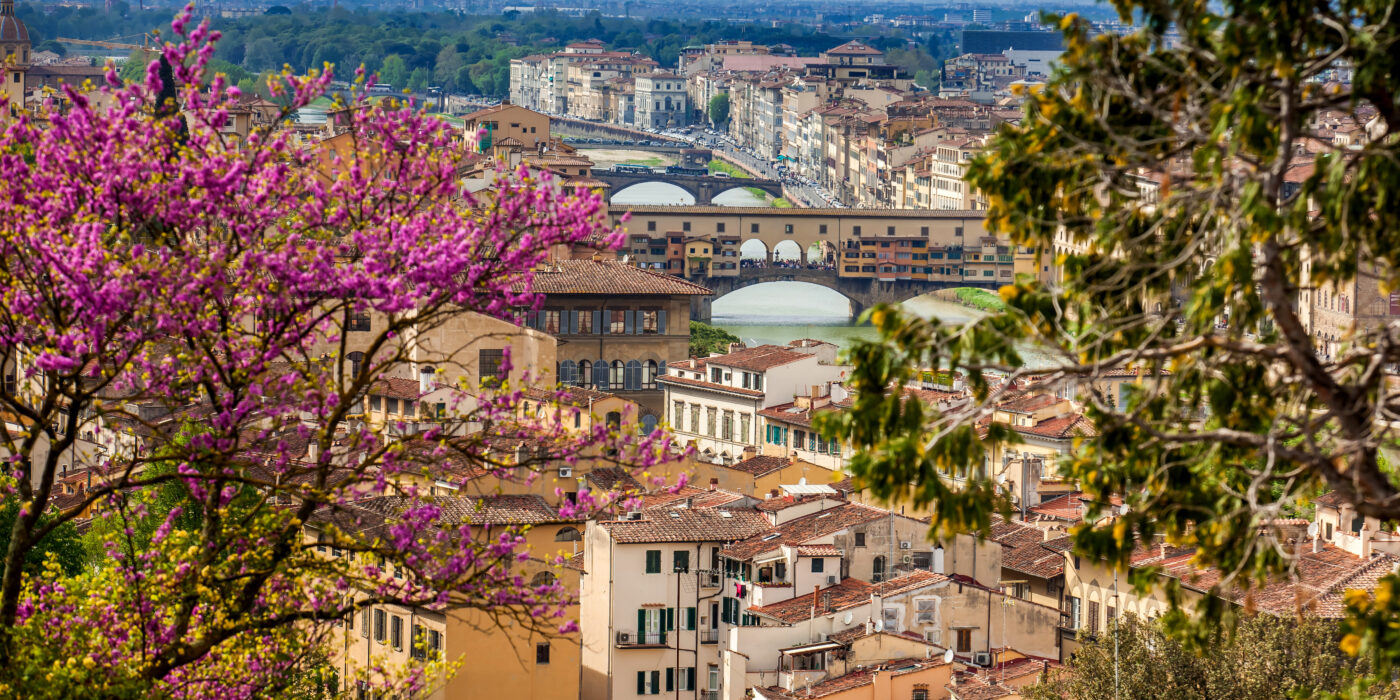
Located on the hills of the Oltrarno district, Villa Bardini is one of the most fascinating and lesser-known locations in Florence. Though less famous than other tourist landmarks in the city, it offers one of the most breathtaking panoramic views of the historic center and the Arno River. The garden, originally designed in the 17th century, was restored and reopened to the public in 2005 after decades of neglect. Today, it’s a haven where art, culture, and nature coexist in perfect harmony.

The Magic of the Wisteria Pergola

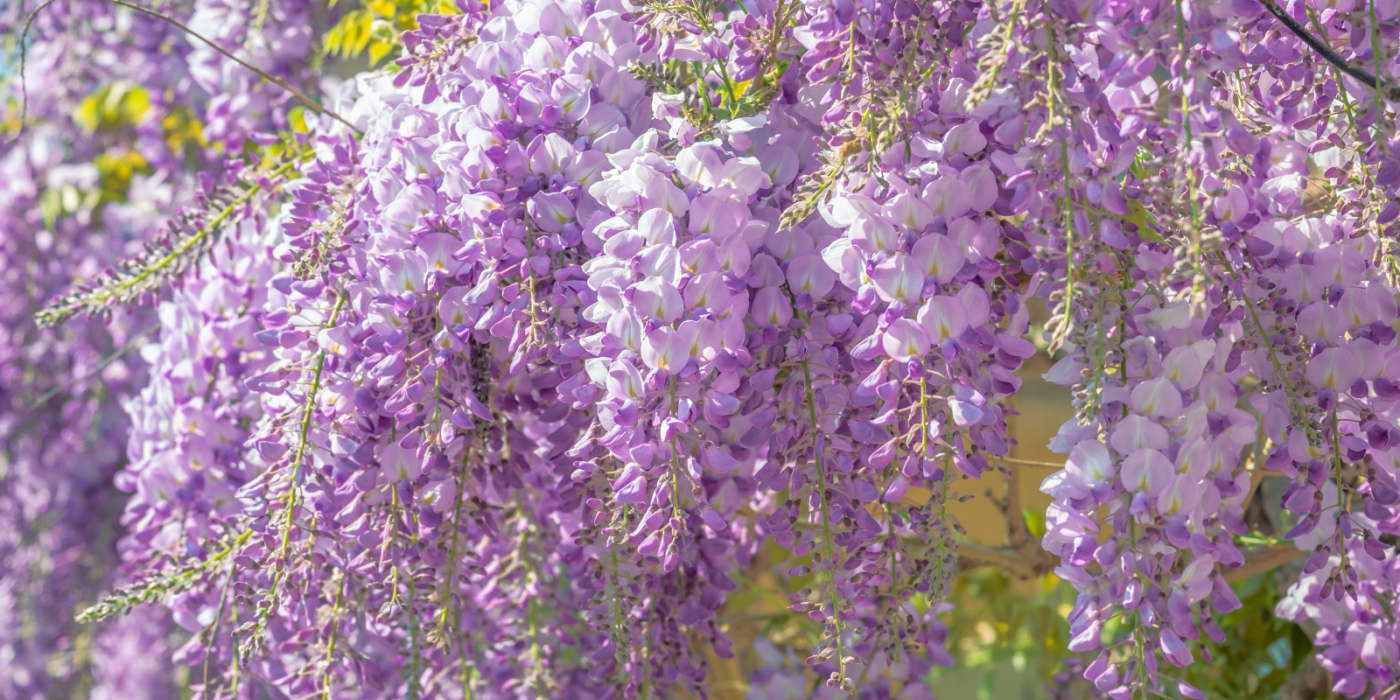
The true star of spring at Villa Bardini is the long wisteria-covered pergola, which turns vibrant shades of lilac, violet, and lavender when in bloom. The wisteria season in Florence typically occurs between mid-April and early May, with slight variations depending on the weather. When the blooms reach their peak, the walkway becomes a dreamy, fragrant tunnel that enchants every passerby.

Strolling beneath the flowering canopy is a sensory delight: sunlight filters through the cascading blooms, casting delicate shadows, while the intoxicating scent of wisteria envelops visitors. Add to this the sweeping views over Florence, and the experience becomes unforgettable.

A Picture-Perfect Spring Destination

The wisteria bloom at Villa Bardini has also become a social media phenomenon. Every spring, Instagram and TikTok fill with stunning photos and videos shot beneath the famous pergola. Influencers, travelers, and photography enthusiasts flock here to capture one of the most poetic moments of the year, helping this spot gain recognition as a must-visit seasonal attraction.

To enjoy the bloom in a more peaceful setting, it’s best to visit on weekdays or early in the morning.

How to Visit Villa Bardini During the Bloom

Villa Bardini is located at Costa San Giorgio 2 and is easily reachable by foot from Florence’s city center or by public transport. Entry to the garden requires a ticket, but it’s often included with admission to the Boboli Gardens or with the Firenze Card. Since the bloom period varies each year, it’s a good idea to check Villa Bardini’s official website or social media channels for real-time updates on flowering status and visiting hours.

An Experience Worth Living At Least Once

The wisteria bloom at Villa Bardini is more than just a botanical event—it’s a moment to reconnect with nature, the rhythm of the seasons, and the wonder that only certain places can evoke. It’s an invitation to slow down, observe, and savor the beauty around us. Whether you’re a tourist discovering Florence or a local looking for a moment of peace, a walk beneath the wisteria in full bloom is an experience to cherish at least once in your lifetime.

Getting Around Florence: The Tramway

Discover Florence… by Tram! The New Line to Piazza della Libertà

Visiting Florence is a truly unforgettable experience. Its historic streets, iconic landmarks, and unique atmosphere invite you to slow down, observe, and be inspired. But after walking through the Uffizi or strolling across Ponte Vecchio, you might find yourself wondering: “Is there a more comfortable way to get around without missing out on the beauty of the city?” The answer is yes — and it’s Florence’s tram system.

On January 25, 2025, the city inaugurated a brand-new tramway extension connecting the historic center to Piazza della Libertà and Piazza San Marco. This marked the return of the tram to the very heart of Florence after nearly 70 years, offering both locals and visitors a faster, more convenient way to explore the city.

The New Line: From the City Center to Piazza della Libertà

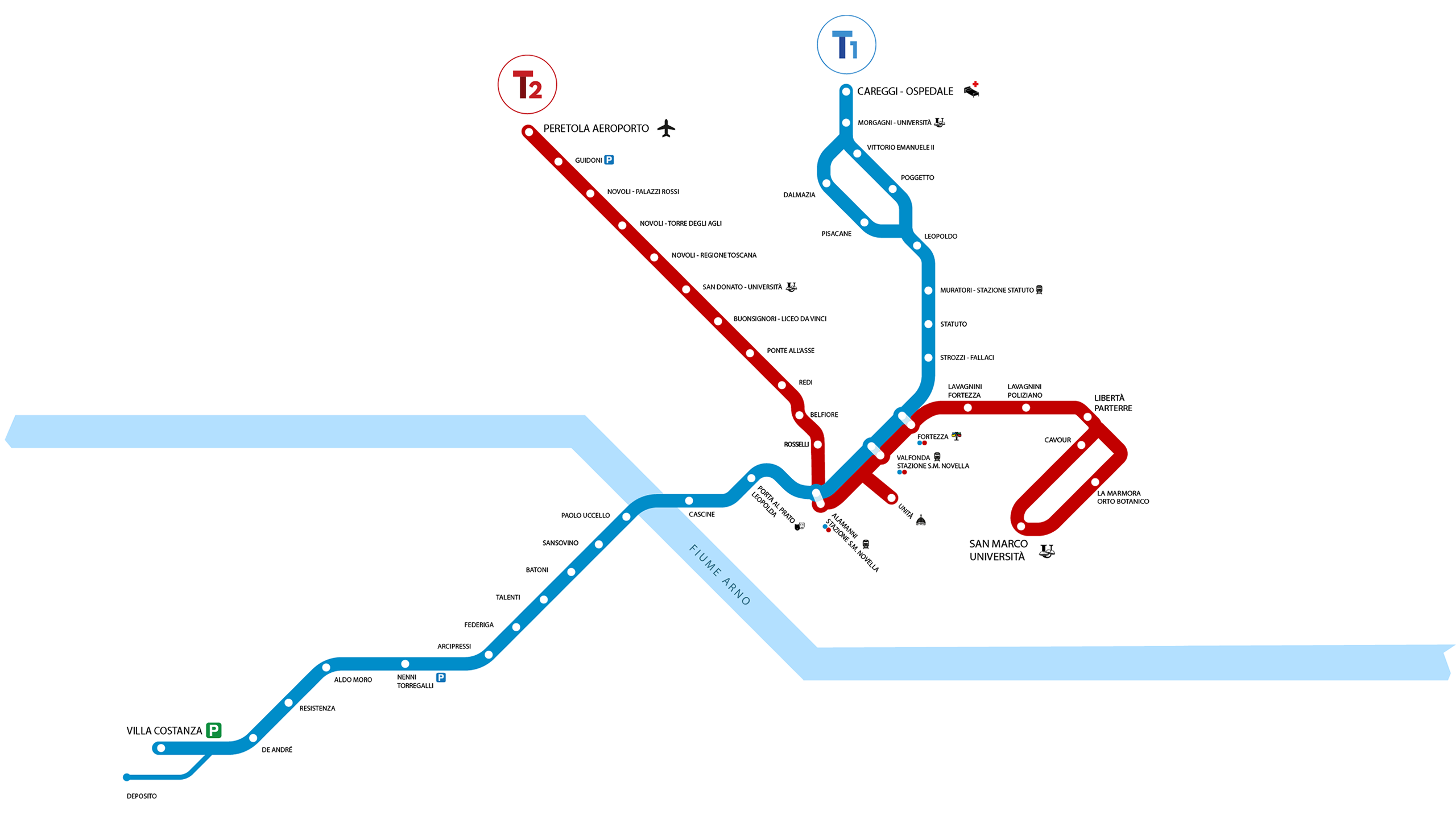
This recent extension of Line T2, also known as the “VACS” (Variante al Centro Storico), links the Fortezza da Basso with Piazza della Libertà and continues to Piazza San Marco — right in the center of Florence, just steps from the Duomo, the Accademia Gallery, and many other top attractions.

It’s a big deal for visitors: now, in just a few minutes, you can reach some of Florence’s most iconic spots without the hassle of long walks or searching for a taxi. It’s a modern, quiet, and sustainable way to experience the city, designed to make getting around easier and more enjoyable.

The Florence Tramway System: A Quick Overview

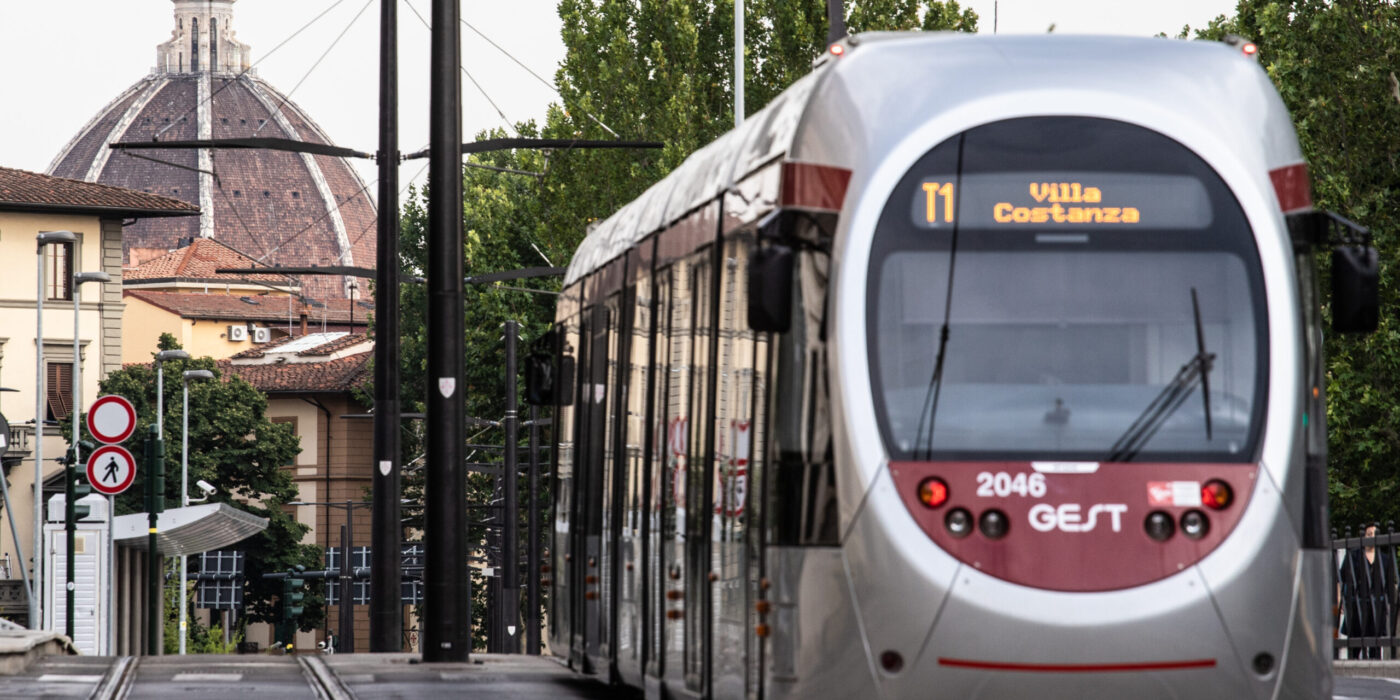
Florence’s tram system is modern, efficient, and growing. Currently, it includes two main lines. Line T1 connects the southwest of the city to the Careggi Hospital, while Line T2 runs from Florence’s airport (Peretola) to the city center — now extended all the way to San Marco.

These lines are well-integrated with the city’s public transportation network and offer a smooth, comfortable ride. The trams run on dedicated lanes, which means they’re unaffected by traffic and can stay on schedule. Spacious and accessible, they’re ideal for everyone — including families with strollers or people with limited mobility.

Why You Should Take the Tram During Your Visit

Besides being practical, the tram also offers a fresh perspective on Florence. With large windows and a smooth ride, you can enjoy new views of the city as you travel. The new route to Piazza della Libertà and Piazza San Marco, for example, gives you easy access to must-see locations like the Accademia Gallery (home of Michelangelo’s David), the San Marco Gardens, or a charming café for a relaxing break.

Traveling by tram is also one of the most budget-friendly options in Florence. A single ticket, valid for both trams and city buses (ATAF), lets you move freely between the center, the train station, and the airport. Whether you’re arriving by train or landing at Peretola, it’s the easiest way to start your Florentine adventure.

A Greener, More Connected Florence

The new tram line to Piazza della Libertà represents another step toward a more sustainable and visitor-friendly Florence. By reducing car traffic, improving air quality, and making the city’s most beautiful spots easier to reach, this project supports a cleaner and more accessible urban lifestyle.

If you’re planning a trip to Florence, be sure to take advantage of the tram. It’s a fast, scenic, and sustainable way to explore the city with ease and comfort. Hop on and enjoy the ride — Florence is closer than ever.

The Vasari Corridor, a Hidden Gem in Florence

A Hidden Masterpiece in the Heart of Florence

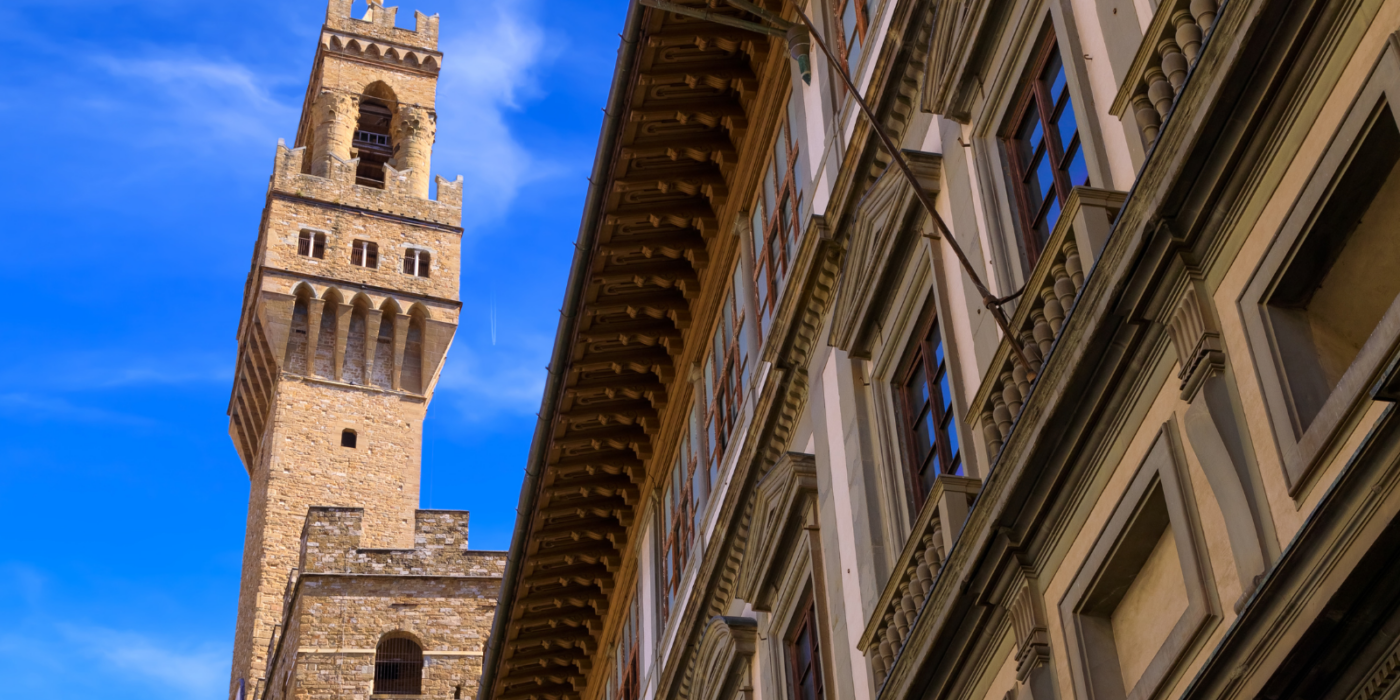
The Vasari Corridor is one of the most fascinating places in Florence, a unique structure that combines art, architectural ingenuity, and Renaissance history. This evocative elevated passage connects Palazzo Vecchio to Palazzo Pitti, crossing Ponte Vecchio and offering an extraordinary perspective of the city.

Its Construction and Vasari’s Genius

The corridor was built in 1565 by order of Grand Duke Cosimo I de’ Medici and designed by the architect Giorgio Vasari, from whom it takes its name. Its construction was incredibly swift, completed in just five months. The reason behind its creation was both strategic and practical: it allowed the Medici family to move from their private residence to the center of political power without having to navigate the crowded streets of Florence.

A Journey Through Art and Time

Today, the Vasari Corridor is a true suspended museum, housing an exceptional collection of paintings and self-portraits by Italian and international artists. Inside, visitors can admire artworks ranging from the 16th to the 20th century, including masterpieces by Guido Reni, Rubens, and Delacroix. Along the route, panoramic windows offer spectacular views of Florence, making the experience even more enchanting.

The Secret Passage Over Ponte Vecchio

One of the most iconic features of the corridor is the section that runs above Ponte Vecchio, Florence’s most famous landmark. To ensure the Medici family’s privacy, it was decided that foul-smelling shops should not be present along the bridge. As a result, butcher shops were replaced with the goldsmiths and jewelry stores that remain to this day.

The Reopening After Eight Years of Restoration

After being closed for eight years due to restoration work and safety upgrades, the Vasari Corridor reopened to the public on December 21, 2024. The renovation project, which began in 2022 and was recently completed, required an investment of approximately 10 million euros, with an additional one-million-dollar donation from American entrepreneur Skip Avansino. The passage has been made fully accessible, equipped with restroom facilities, low-energy LED lighting, and a video surveillance system. For the first time, the general public can walk through this historic passageway, enjoying a unique experience in the heart of Florence.

A Symbol of Florence to Rediscover

The Vasari Corridor is not just an extraordinary architectural masterpiece but also a fundamental piece of Florentine history. Through its fascinating spaces, it tells the story of the power, art, and prestige of the Medici family, preserving its centuries-old magic.

Florence Korea Film Fest | March 20-29, 2025

Florence Korea Film Fest 2025: Korean Cinema Meets Florence

If you are a cinema enthusiast planning a trip to Florence, there is an event you absolutely cannot miss: the Florence Korea Film Fest 2025. This extraordinary festival, now in its 23rd edition, is the only Italian festival entirely dedicated to South Korean cinema, a phenomenon that continues to expand globally thanks to the success of directors like Bong Joon-ho and hit series like Squid Game.

From March 20 to 29, 2025, the heart of Florence transforms into a small Seoul, with exclusive screenings, masterclasses, directors, actors, special events, and national premieres. If you are staying in one of the SweetDreams B&Bs, you will have the unique opportunity to experience this event just steps away from the festival’s theaters.

A Program Filled with Cinema and Culture

The festival will take place mainly at Cinema La Compagnia, located at Via Cavour 50/R, easily accessible from the city center. The program includes more than 100 films, featuring feature films, short films, and documentaries, offering a comprehensive overview of contemporary South Korean cinema.

The opening night, scheduled for March 20, will feature the screening of “Escape 탈주 La Fuga” by Lee Jong-pil, an emotional story of escape and hope that promises to captivate audiences and critics alike.

Throughout the festival, different sections will be presented, including screenings of films never before seen in Italy, retrospectives dedicated to great masters of Korean cinema, and special meetings with actors and directors. The Florence Korea Film Fest is not just an opportunity to discover K-Cinema, but also a chance to get closer to Korean culture through food, music, and discussions with industry experts.

Masterclasses and Special Guests

One of the festival’s highlights is its masterclasses, exclusive meetings with some of the most important figures in Korean cinema.

On March 22, actor Hwang Jung-min will host a lecture titled “The Three Faces of Hwang Jung-min”, where he will share insights into his career and journey in cinema.

On March 26, director Na Hong-jin, known for intense films like The Wailing, will delve into his cinematic style in the masterclass “An (Im)Perfect World”.

On March 27, artists Park Chang-ha and Jung Jae-woo will lead a session dedicated to the fascinating world of webtoons, exploring their evolution in cinema.

Finally, on March 28, composer Mowg will present the masterclass “The Architect of Sonic Emotions”, revealing the secrets behind South Korean film soundtracks.

A Unique Experience for Visitors to Florence

Attending the Florence Korea Film Fest is a fantastic way to experience Florence in a unique and engaging way, immersing yourself in an event that blends art, culture, and entertainment. By staying in a SweetDreams B&B, you will be able to easily reach the festival’s main venue and enjoy a relaxing break between screenings.

After a day full of cinema, Florence offers endless opportunities for discovery. Strolling through the historic center, you can admire the city’s architectural wonders, from the majestic Duomo di Santa Maria del Fiore to the stunning artworks in the Uffizi Gallery.

For an even more authentic experience, you can stop by one of Florence’s Korean restaurants, such as Gaya Ristorante Coreano or Ssam Ristorante Coreano, to taste traditional dishes like bibimbap and kimchi.

Tickets and Useful Information

Tickets for the festival are already available. Afternoon screenings are priced at €5, while evening screenings can be purchased for €7. For those looking to fully immerse themselves in the experience, festival passes are available, granting access to all screenings and masterclasses.

Tickets can be purchased online via the festival’s official website or directly at Cinema La Compagnia.

Experience Florence with the Florence Korea Film Fest

The Florence Korea Film Fest 2025 is the perfect event for those who want to combine their love for cinema with a vacation in one of Italy’s most beautiful cities. With a program filled with emotions, prestigious guests, and the magical atmosphere of Florence, this experience promises to be unforgettable.

Book your stay at a SweetDreams B&B now and get ready to enjoy the best of Korean cinema in the heart of Tuscany!

Florentine Schiacciata Cake

A Symbolic Dessert of the Florentine Carnival

Even though Carnival is coming to an end, and confetti and streamers are giving way to the first signs of Lent, we cannot help but celebrate one of the most iconic desserts of Tuscan tradition: Schiacciata alla Fiorentina. After all, who says Carnival sweets can only be enjoyed during Carnival? A true symbol of the Florentine festivities, this soft, fragrant cake—recognizable by its distinctive rectangular shape—perfectly embodies a blend of history, culture, and authentic flavors.

The Origins and Evolution of the Recipe

The origins of Schiacciata alla Fiorentina date back to ancient times when it was baked in pastry shops and Florentine homes to celebrate the festive season. Despite its name, which might be misleading, it has nothing to do with the more famous savory schiacciata (Tuscan flatbread). Instead, its name derives from the unique way the dough is worked, resulting in a soft and low-rise texture. Traditionally, the recipe called for just a few simple ingredients—flour, eggs, sugar, milk, and lard. Over time, variations have emerged, replacing lard with butter and incorporating orange zest or vanilla to enhance the flavor.

The Signature Touch: The Florentine Lily Decoration

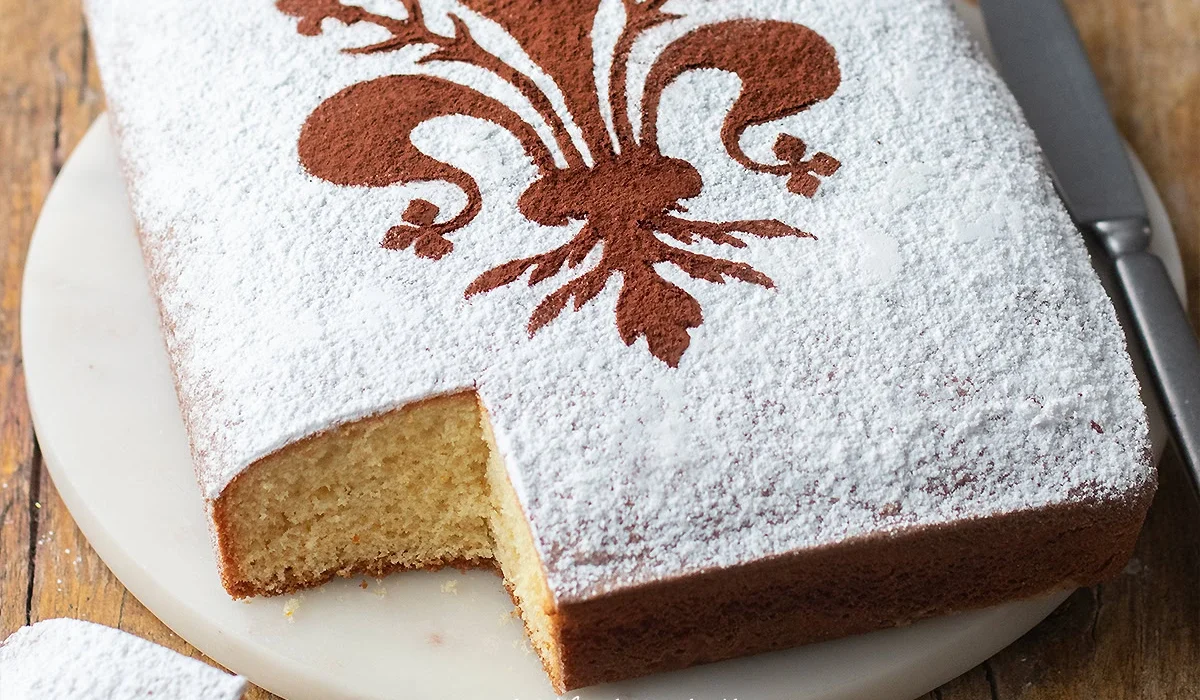
One of the most distinctive aspects of Schiacciata alla Fiorentina is its decoration. Once baked, the cake’s surface is generously dusted with powdered sugar and adorned with the iconic Florentine lily. This is often achieved using a simple paper stencil to create a negative-space design. This detail not only makes the cake instantly recognizable but also highlights its deep connection with the city and its traditions.

A Dessert Rich in Tradition

During Carnival, Florentine pastry shops are filled with the intoxicating aroma of Schiacciata alla Fiorentina, and every family carefully guards its own version of the recipe, passing it down from generation to generation. Once considered a homemade delicacy exclusively linked to the festive period, it is now available year-round, though its association with Carnival remains strong and inseparable.

The Joy of Making It at Home

Baking Schiacciata alla Fiorentina at home is a true ritual, carrying with it the charm of old traditions. Its simple recipe makes it accessible to everyone, yet like all traditional sweets, it requires care and attention to detail to achieve its characteristic soft and airy texture. The baking process must be precise to prevent the cake from becoming too dry or undercooked, and using high-quality ingredients is essential for an authentic and delicious result.

A Dessert That Tells the Story of Florence

Today, Schiacciata alla Fiorentina remains a beloved treat for both young and old—a simple pleasure that evokes childhood memories and moments of togetherness. Whether bought in a pastry shop or baked at home, every slice carries the authentic taste of Florence and its traditions. With its unmistakable softness and enveloping aroma, this dessert continues to capture the essence of the city in every bite.